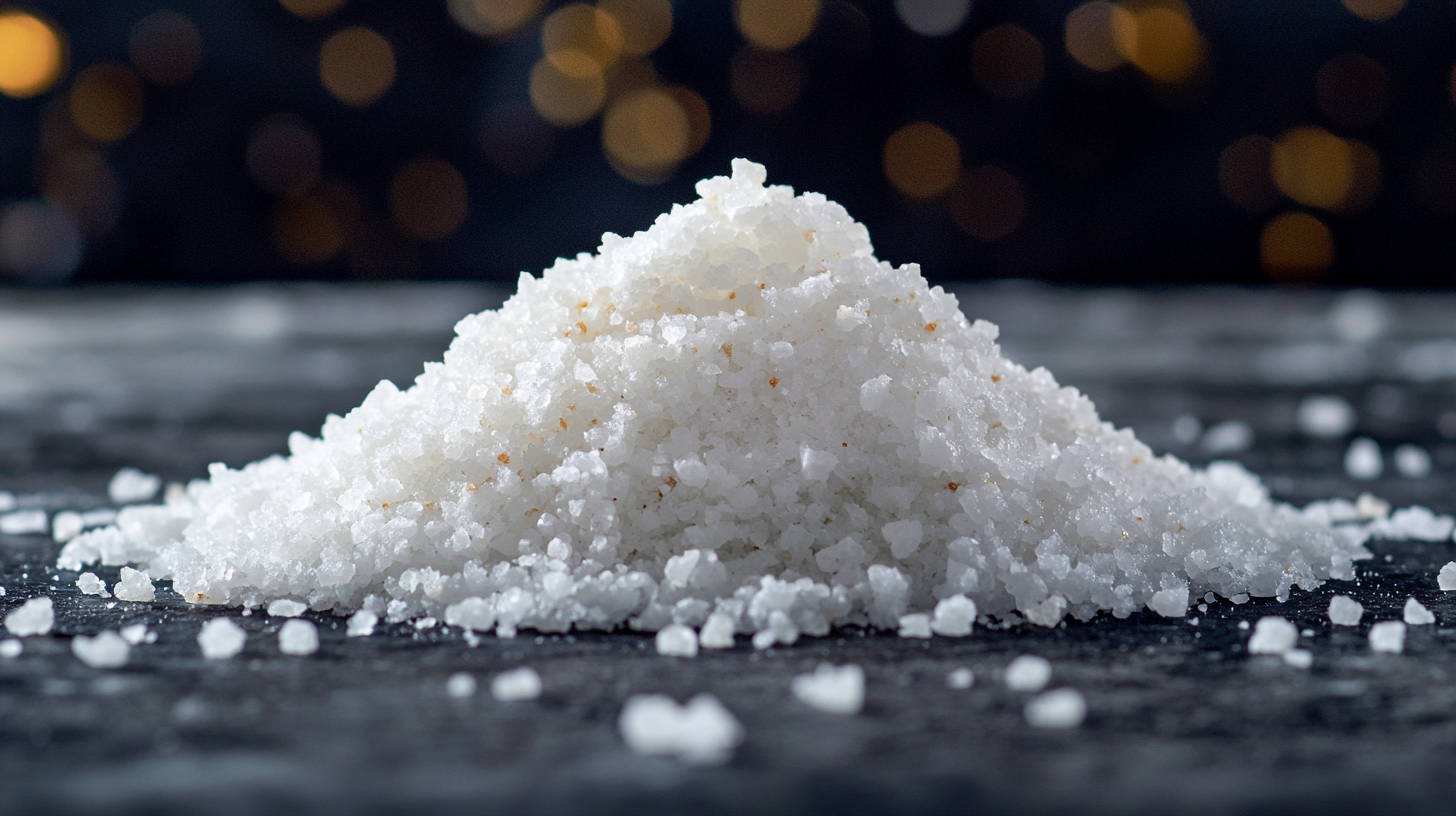
🧬Salt plays a crucial role in hydration and maintaining electrolyte balance within the body. With a sodium content of 38,850 mg per 100g, it is essential for various physiological functions, including nerve transmission and muscle contraction. Research suggests that adequate salt intake can help stabilize mood and support gut health, making it an important component of a balanced diet across various eating styles, including keto, paleo, vegan, and vegetarian.
🧑🍳In the kitchen, the timing of salt application can significantly enhance the dining experience. Always apply finishing salt just before serving, as the crystals provide a satisfying crunch and burst of flavor that dissolves upon contact with moisture. For optimal results, lightly crush the flakes between your fingers to maximize their adherence to dishes like roasted vegetables, grilled meats, and even chocolate desserts. This technique ensures that each bite delivers a delightful contrast that elevates the overall flavor profile.
This post contains affiliate links.
About this article
Foodbe.ai exists to inform consumers about the food they buy and eat. Every claim is cited. Sources: NIH, USDA, FDA, Smithsonian, and JSTOR. Found an error? Email us at admin@foodbe.ai to report any source or fact issues.