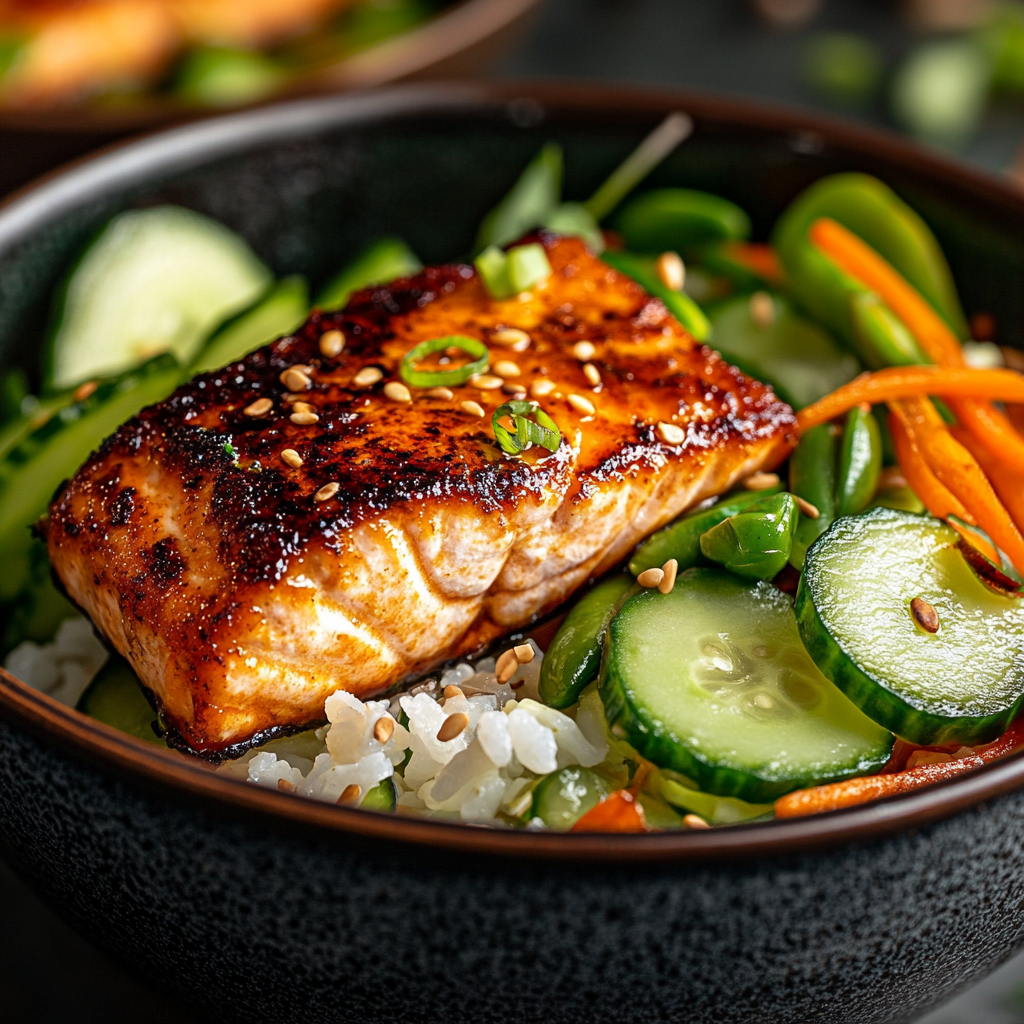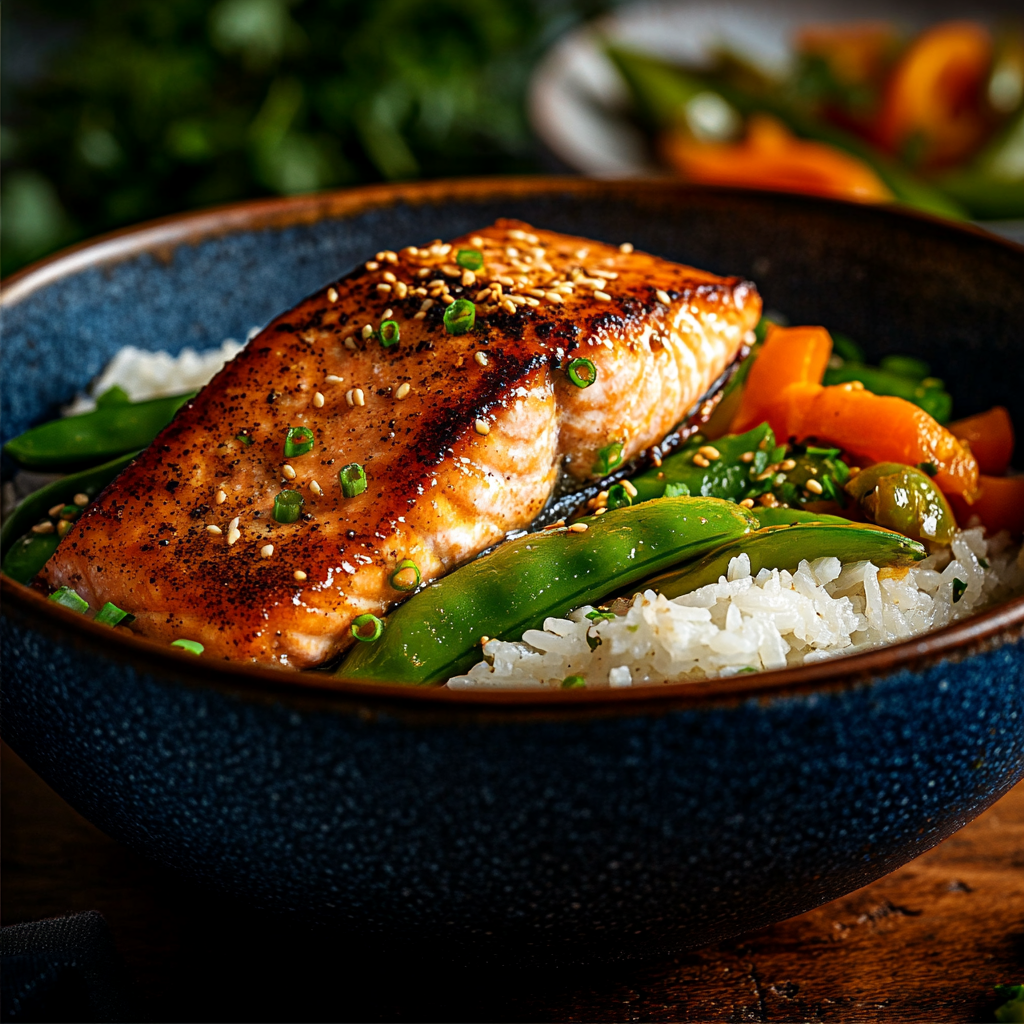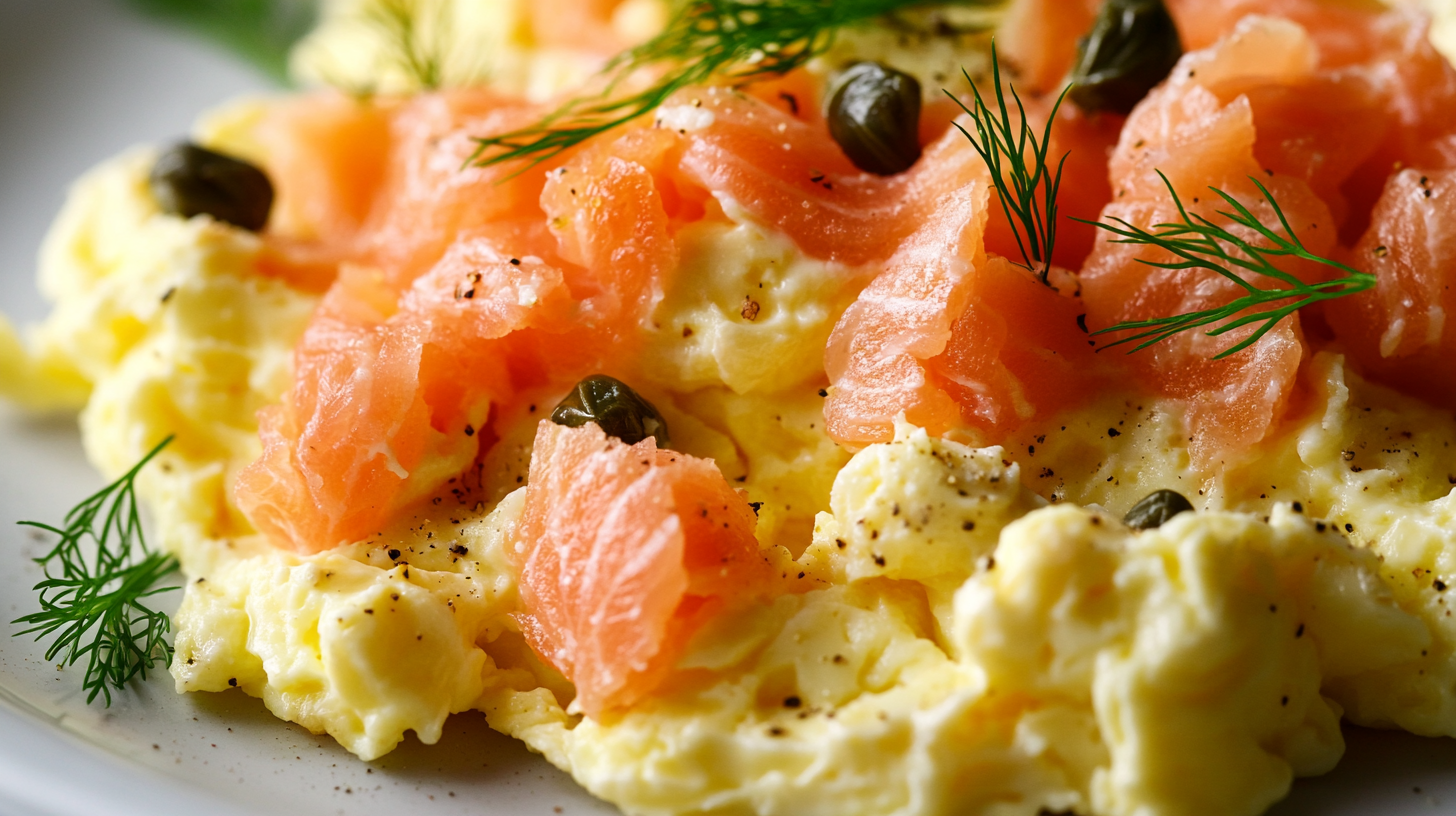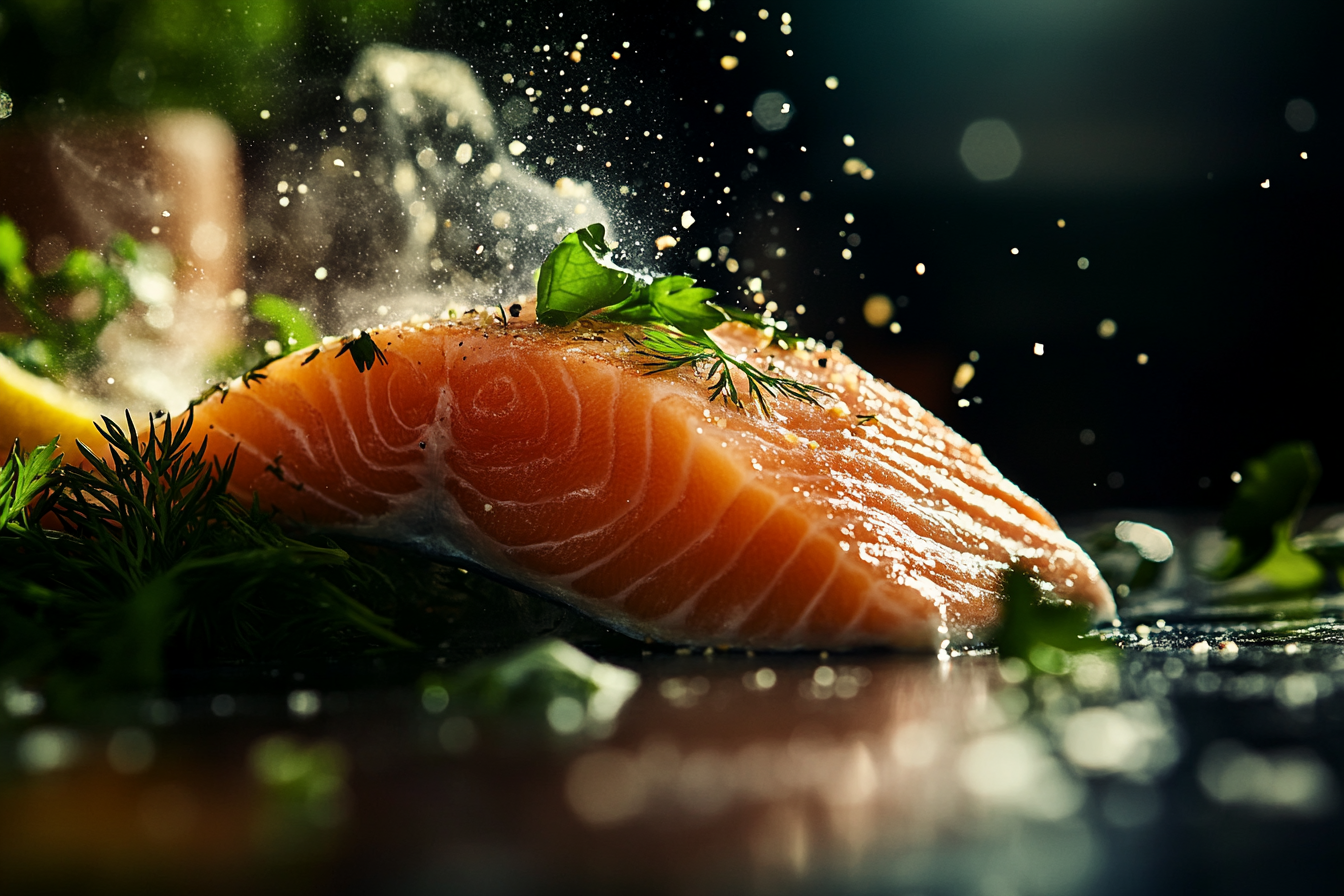
🧬Salmon is a powerhouse of nutrition, boasting 20 grams of protein and rich in omega-3 fatty acids, which research suggests can support mental health and help control inflammation. The fatty acids found in salmon may play a role in dopamine production, contributing to an elevated mood. Additionally, its heart-healthy properties make it a valuable addition to a balanced diet, especially for those seeking to promote longevity.
🧑🍳When it comes to cooking salmon, high-heat roasting is the most effective technique. Baking at 400–425°F skin-side down on a lightly oiled sheet pan allows the skin to protect the flesh while it cooks gently. Pay attention to the appearance of albumin, a white protein that signals doneness; a small amount is normal, but excessive amounts indicate overcooking. Properly prepared salmon should flake easily at the thickest point.
This post contains affiliate links.
About this article
Foodbe.ai exists to inform consumers about the food they buy and eat. Every claim is cited. Sources: NIH, USDA, FDA, Smithsonian, and JSTOR. Found an error? Email us at admin@foodbe.ai to report any source or fact issues.