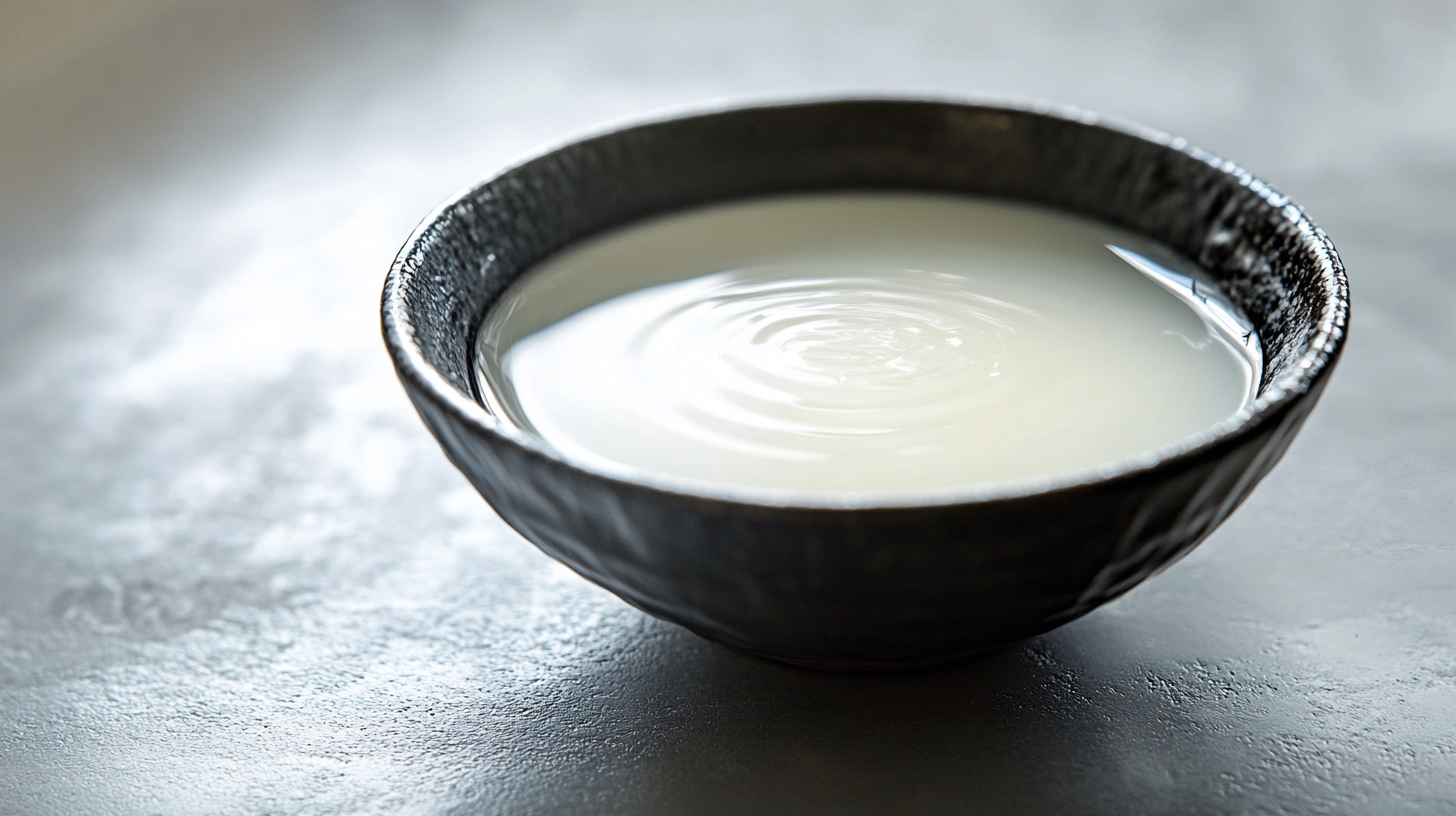
🧬Rice vinegar, with its mild and slightly sweet tang, plays a notable role in digestive health, potentially aiding gut function and exhibiting antimicrobial properties. Research suggests that incorporating this condiment into your diet may contribute to mood enhancement, making it a delightful addition to various dishes. With only 72 calories per 100 grams, it offers a flavorful option for those seeking lighter alternatives in their meals.
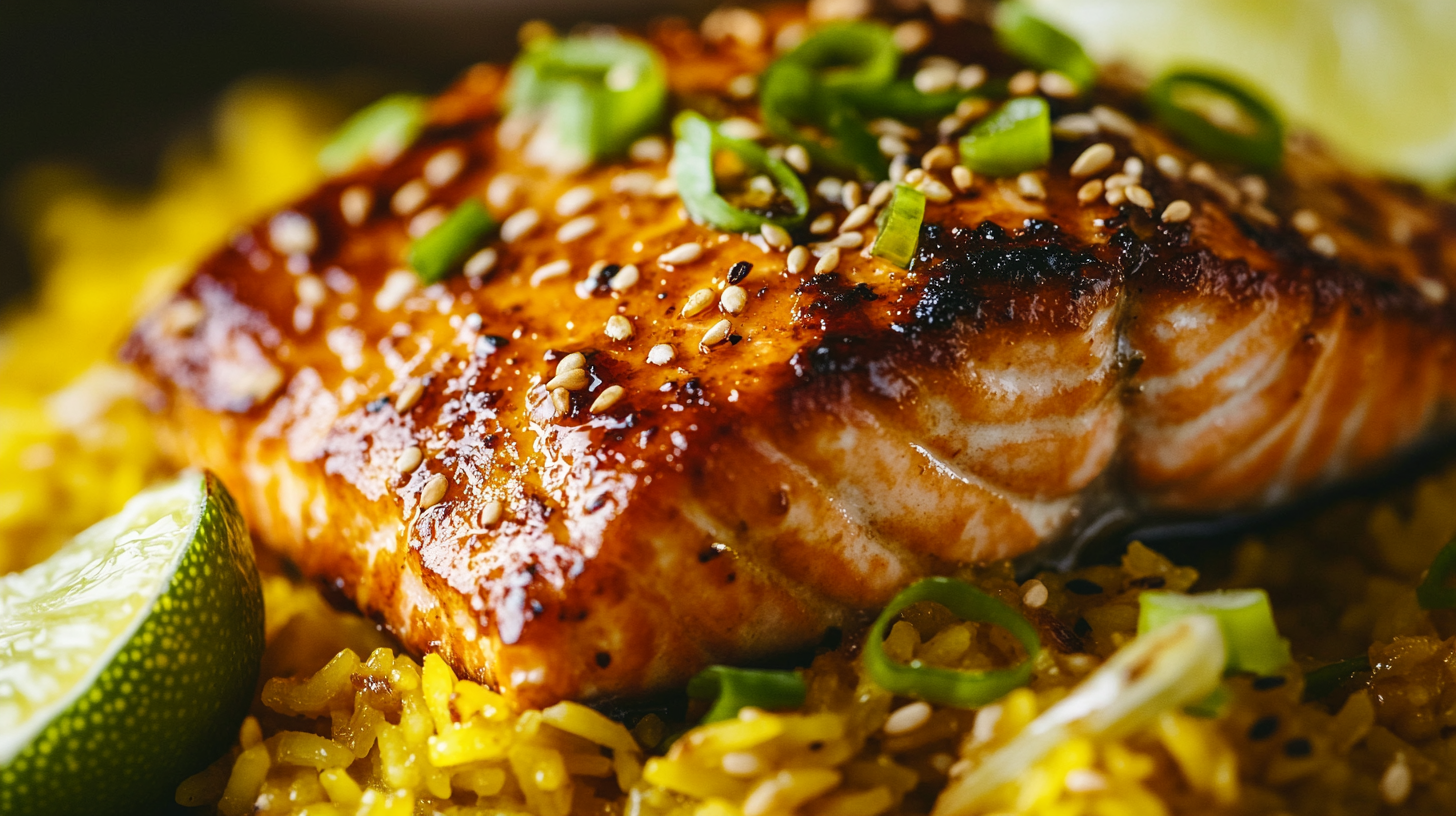
🧑🍳When using rice vinegar in cooking, it's essential to start with rice that has been refrigerated uncovered for several hours; a drier surface allows for a better fry. Ensure your wok or pan is screaming hot before adding any ingredients, as this high heat is crucial for achieving the Maillard reaction. Pour soy sauce around the edge of the wok rather than directly on the rice to allow it to caramelize efficiently before mixing.
This post contains affiliate links.
About this article
Foodbe.ai exists to inform consumers about the food they buy and eat. Every claim is cited. Sources: NIH, USDA, FDA, Smithsonian, and JSTOR. Found an error? Email us at admin@foodbe.ai to report any source or fact issues.