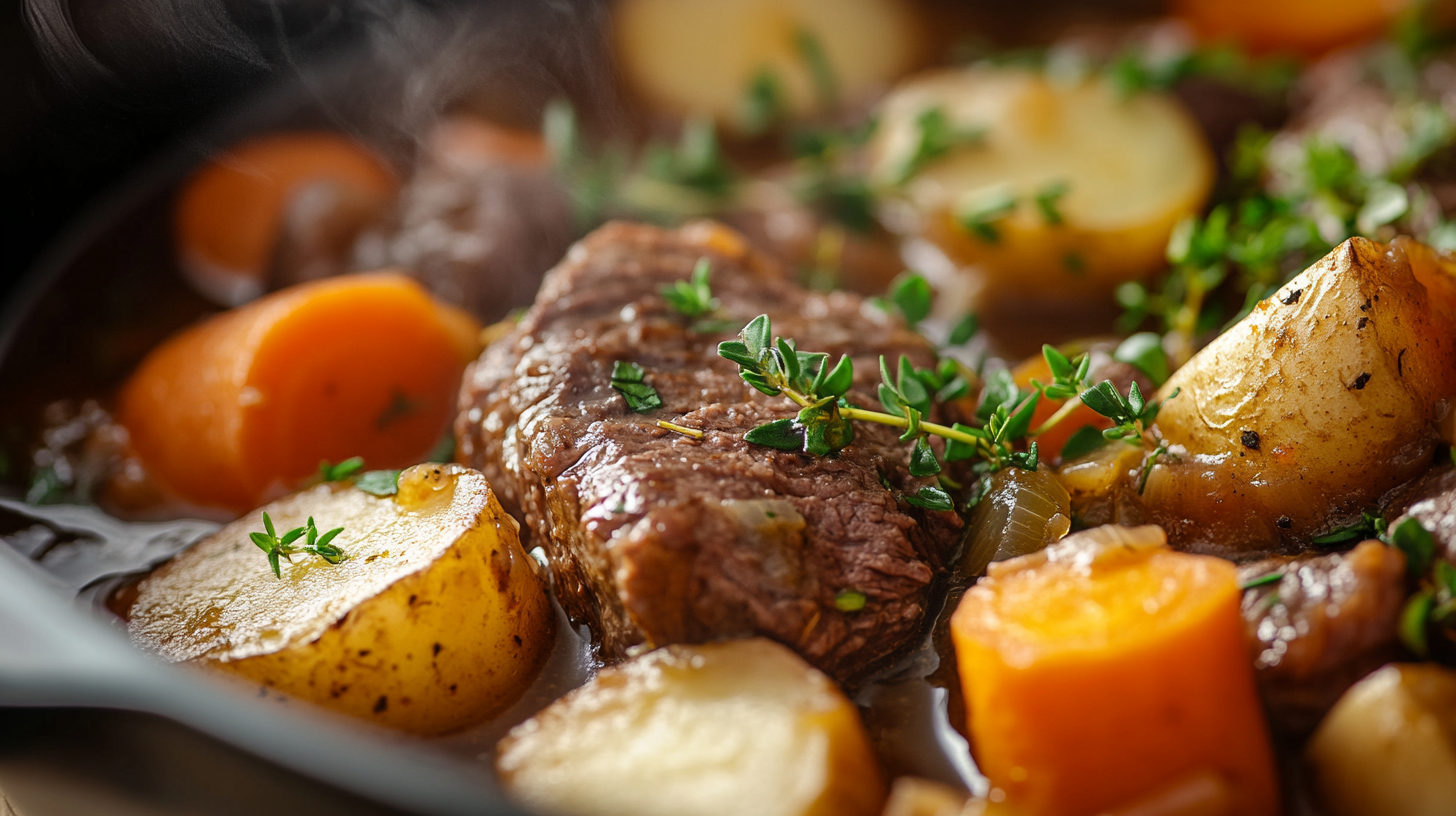
🧬Red wine is not only a flavorful beverage but also boasts a range of potential health benefits. Research suggests that its antioxidant-rich profile, particularly due to compounds like resveratrol, may support cardiovascular health and reduce oxidative stress. With approximately 85 calories per 100 grams, it offers a complex flavor that can be both fruity and tannic, making it a delightful addition to various diets, including omnivore, pescatarian, vegan, and vegetarian.
🧑🍳When incorporating red wine into your cooking, consider its role beyond just a drink. It can enhance sauces, marinades, and braises, adding depth and complexity to your dishes. Always check the ingredient list for clarity; a product with fewer than five ingredients typically indicates a cleaner option. Quality matters in cooking, so choose wines that align with your culinary intentions.
This post contains affiliate links.
About this article
Foodbe.ai exists to inform consumers about the food they buy and eat. Every claim is cited. Sources: NIH, USDA, FDA, Smithsonian, and JSTOR. Found an error? Email us at admin@foodbe.ai to report any source or fact issues.