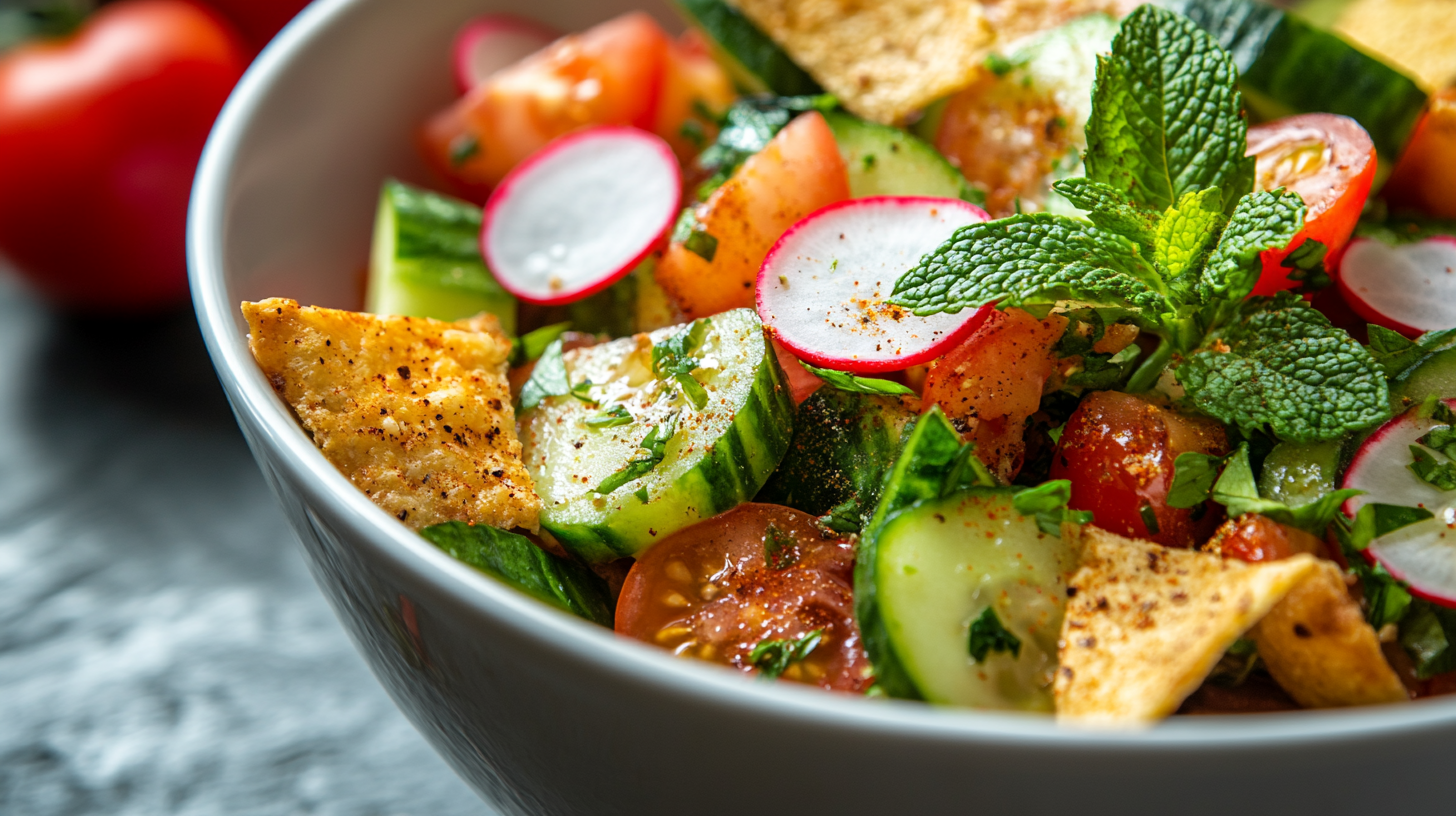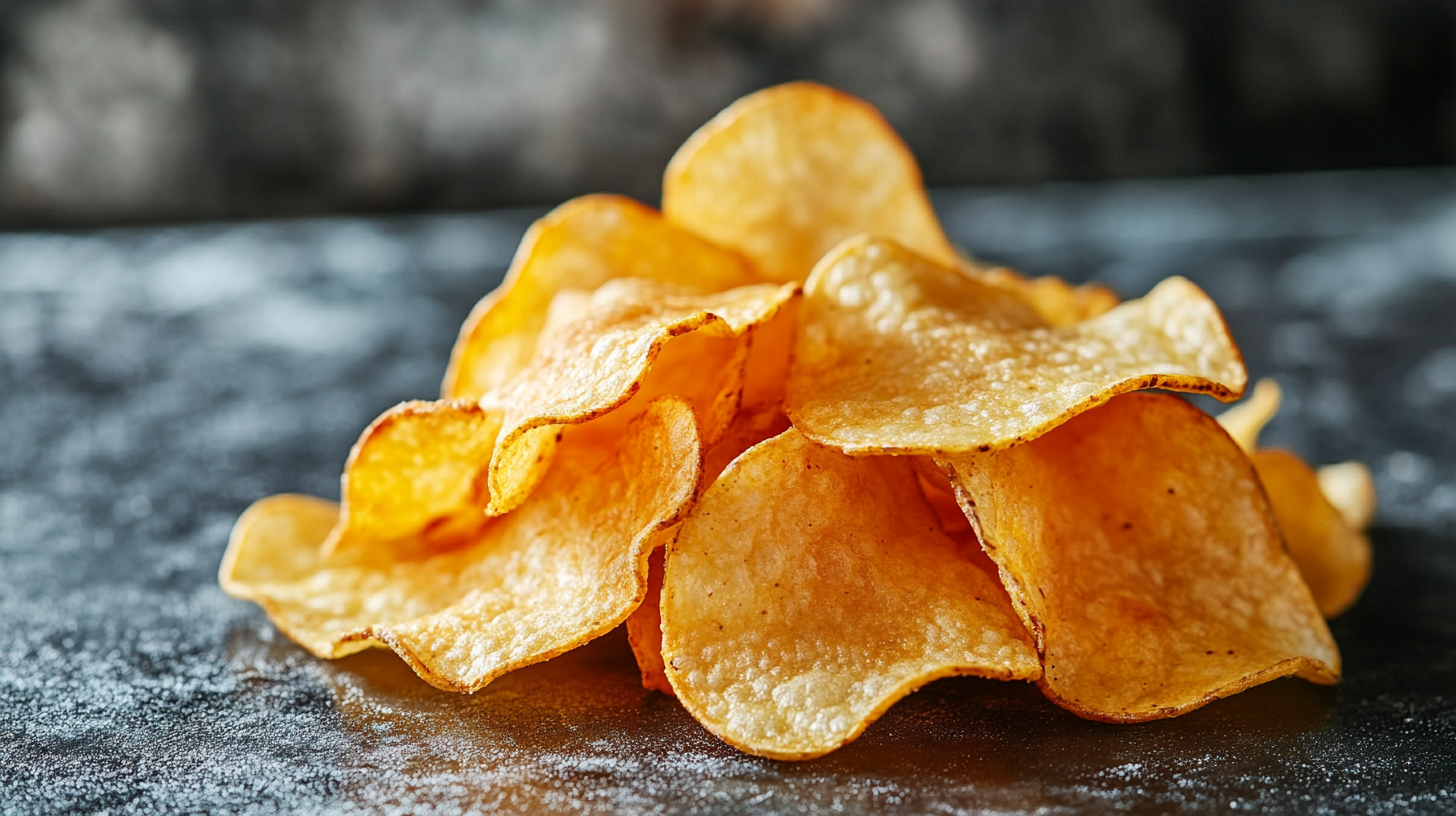
🧬Potato chips are a quintessential snack that delivers a satisfying crunch and a burst of salty flavor, often triggering the brain's reward system through dopamine release. With approximately 2500 calories per 100 grams, they can provide a quick source of energy, which may stimulate appetite and evoke feelings of comfort. However, their fried and processed nature means they are low in fiber, which can impact gut health, making them a treat best enjoyed in moderation.
🧑🍳When preparing potato chips at home, consider piercing them a few times with a fork to prevent minor skin splitting during baking. For optimal results, bake them directly on the oven rack with foil placed below to catch any drips, allowing for maximum dry heat contact with the skin. This technique ensures a crispy texture that enhances the overall eating experience.
This post contains affiliate links.
About this article
Foodbe.ai exists to inform consumers about the food they buy and eat. Every claim is cited. Sources: NIH, USDA, FDA, Smithsonian, and JSTOR. Found an error? Email us at admin@foodbe.ai to report any source or fact issues.