Potato
Other →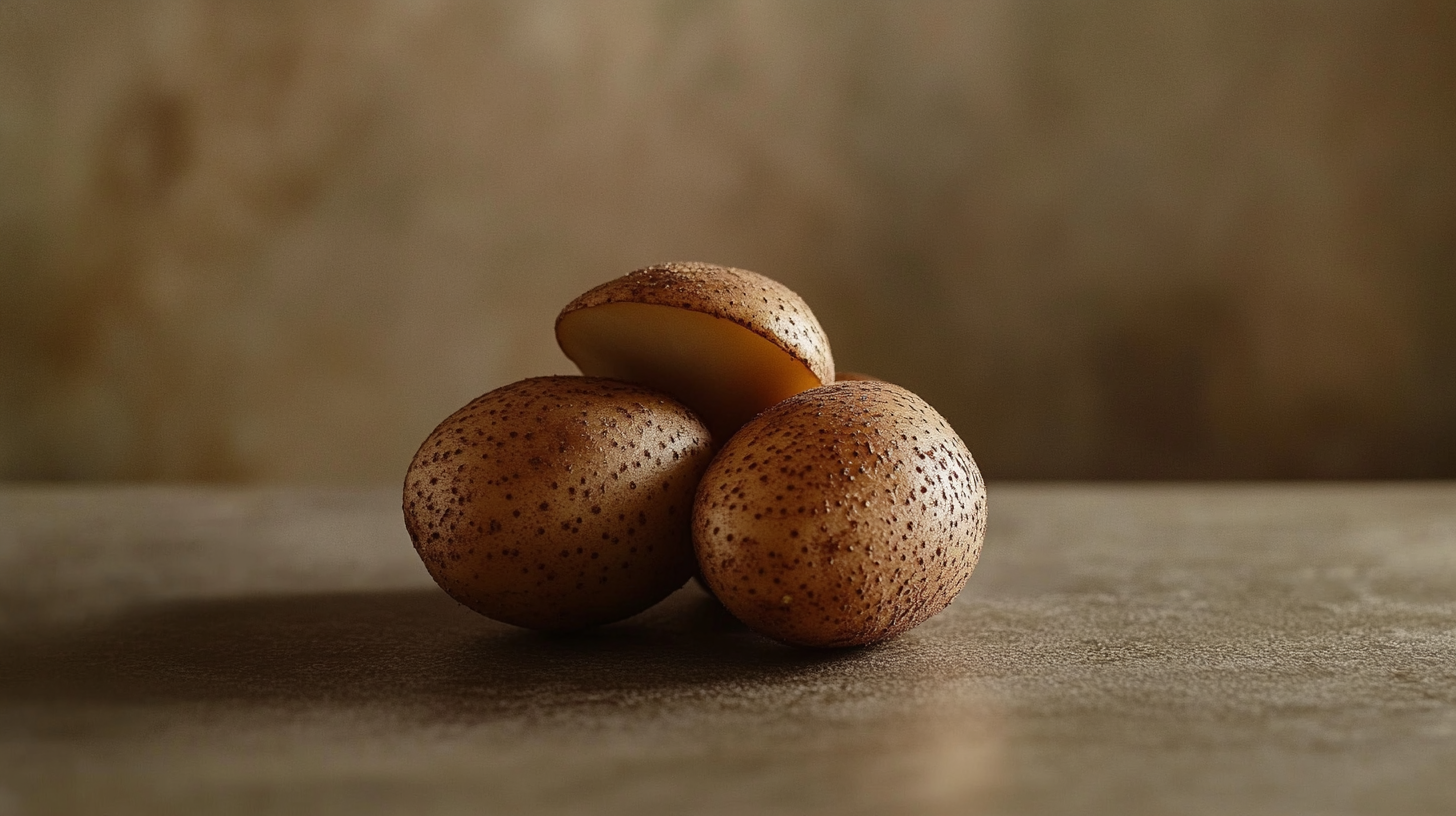
🧬Potatoes are a versatile food known for their earthy, starchy flavor and comforting qualities. With just 77 calories per 100 grams, they provide a source of energy that can support mood stabilization and cognitive function. Research suggests that the resistant starch found in potatoes may promote gut health by acting as a prebiotic, benefiting the microbiome and contributing to overall well-being.
🧑🍳When preparing potatoes, a few simple techniques can enhance your cooking experience. For baked potatoes, pierce the skin several times with a fork to minimize splitting, and place them directly on the oven rack with foil below to catch any drips. This method maximizes the dry heat exposure to the skin, resulting in a perfectly baked potato.
This post contains affiliate links.
About this article
Foodbe.ai exists to inform consumers about the food they buy and eat. Every claim is cited. Sources: NIH, USDA, FDA, Smithsonian, and JSTOR. Found an error? Email us at admin@foodbe.ai to report any source or fact issues.