March 5, 2025
The Only Plant Protein That Scores Equal to Meat — And Why It Matters
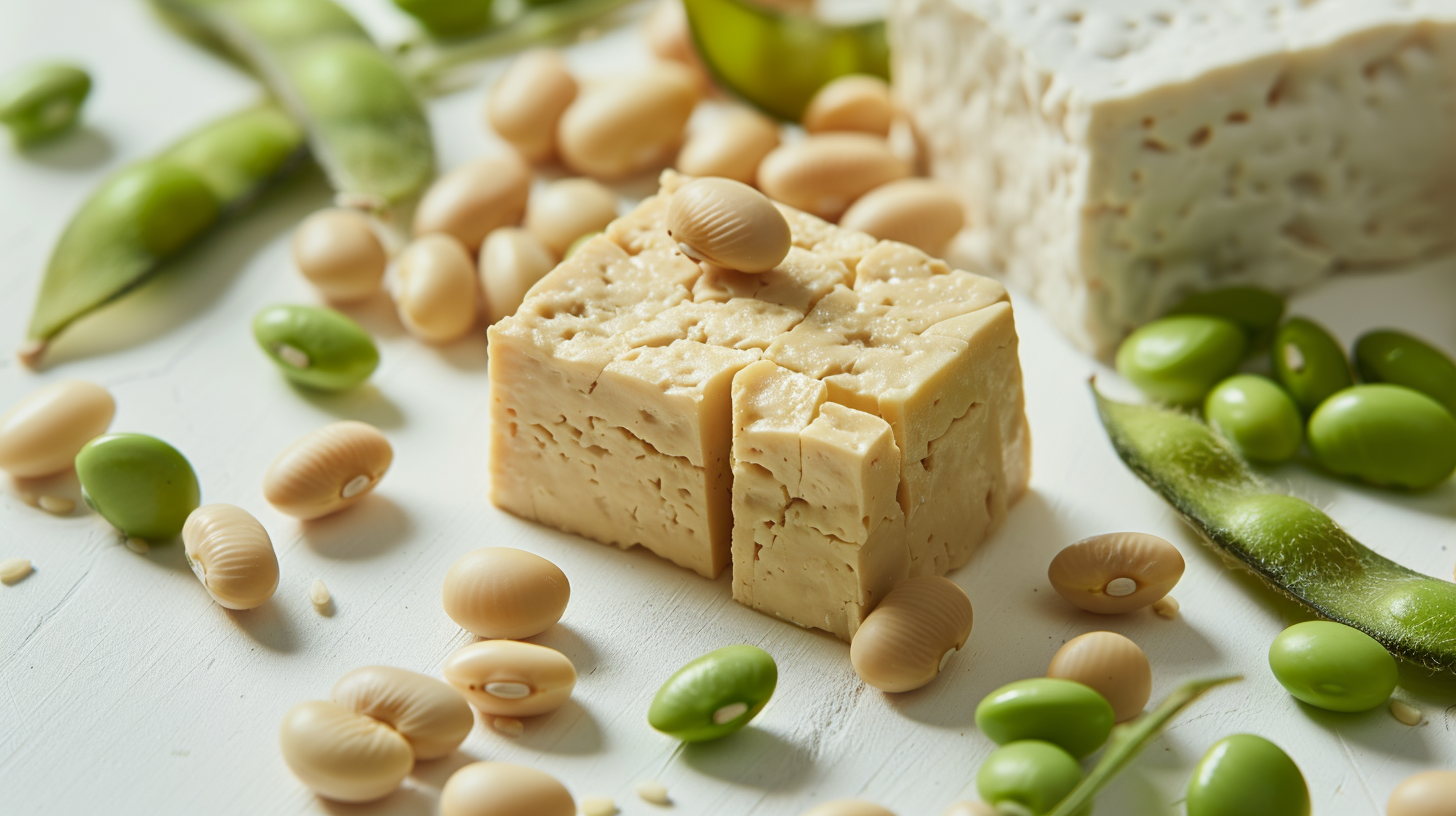
Soy protein isolate is one of the few plant proteins that can reach a Protein Digestibility-Corrected Amino Acid (PDCAAS) Score of 1.0, putting it closer to animal proteins than most plant proteins. On PDCAAS, it can rank alongside high-quality animal proteins, though PDCAAS is capped at 1.0 and does not capture all differences between protein sources. Many other plant proteins score below 0.9, largely due to incomplete amino acid profiles and reduced digestibility from fiber and antinutrients.
Leucine helps stimulate mTORC1 signaling, which is involved in regulating muscle protein synthesis. Research suggests around 2–3 grams of leucine per meal is often associated with a stronger muscle protein synthesis response in some studies. Animal proteins often reach this threshold more easily per serving than most plant proteins. Plant-based athletes often consume larger protein portions or combine multiple sources to achieve a comparable leucine dose.
Rice protein is low in lysine but contains methionine. Pea protein is low in methionine but higher in lysine. Together they can form a more complete amino acid profile — which is why the combination is commonly used in plant-based protein supplements.
Soy isoflavones can bind estrogen receptors with weak affinity. Clinical reviews and meta-analyses generally find that typical soy protein or isoflavone intake has not been shown in most clinical studies to meaningfully alter testosterone or estrogen levels in men, and broader clinical evidence does not support meaningful hormone disruption at typical dietary intakes.
This post contains affiliate links.
About this article
Foodbe.ai exists to inform consumers about the food they buy and eat. Every claim is cited. Sources: NIH, USDA, FDA, Smithsonian, and JSTOR. Found an error? Email us at admin@foodbe.ai to report any source or fact issues.