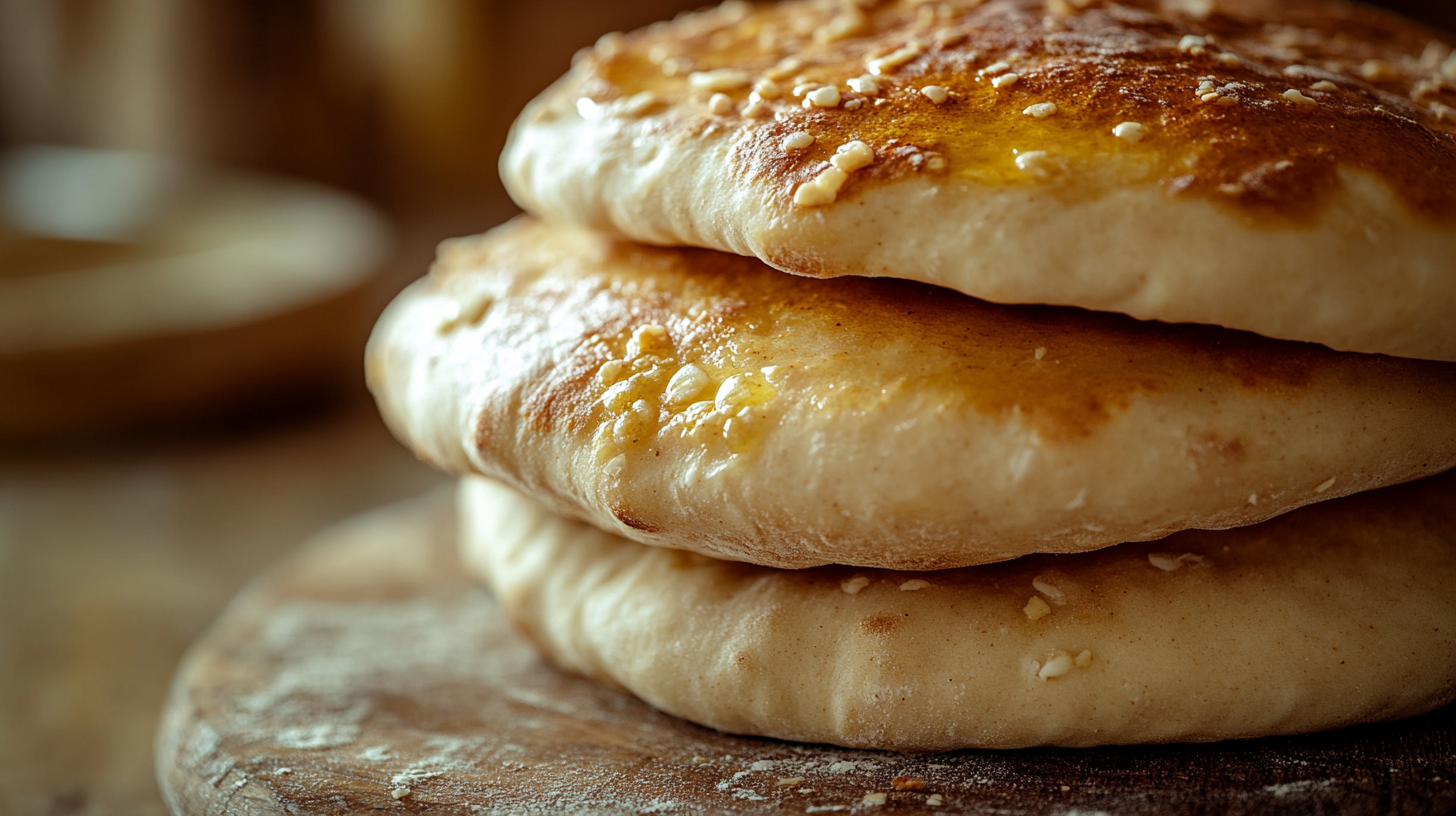
🧬Pita is a versatile grain that offers a neutral flavor profile, making it an ideal canvas for various culinary applications. With 170 calories per 100 grams, it serves as a quick source of energy while also supporting digestive health due to its fiber content. The soft and chewy texture of pita can contribute to feelings of satiety, which may enhance the enjoyment of meals and provide a comforting eating experience.
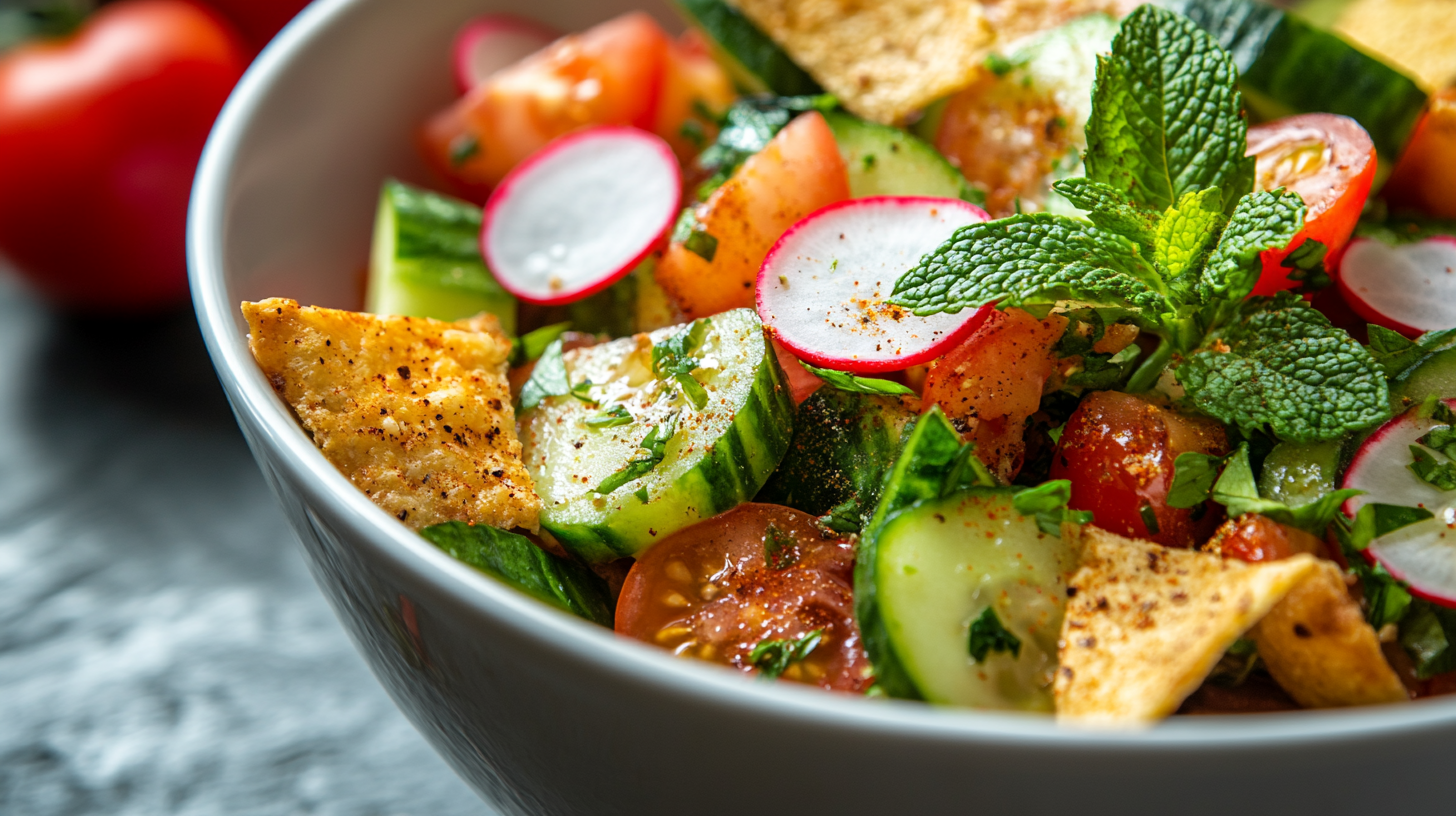
🧑🍳In the kitchen, pita shines in Mediterranean dishes, often used for wraps or served alongside dips like hummus and tzatziki. To maximize its potential, consider warming the pita briefly in a skillet or oven, which enhances its softness and makes it even more inviting. This simple technique helps to bring out the best in pita, allowing it to complement a variety of flavors and textures beautifully.
This post contains affiliate links.
About this article
Foodbe.ai exists to inform consumers about the food they buy and eat. Every claim is cited. Sources: NIH, USDA, FDA, Smithsonian, and JSTOR. Found an error? Email us at admin@foodbe.ai to report any source or fact issues.