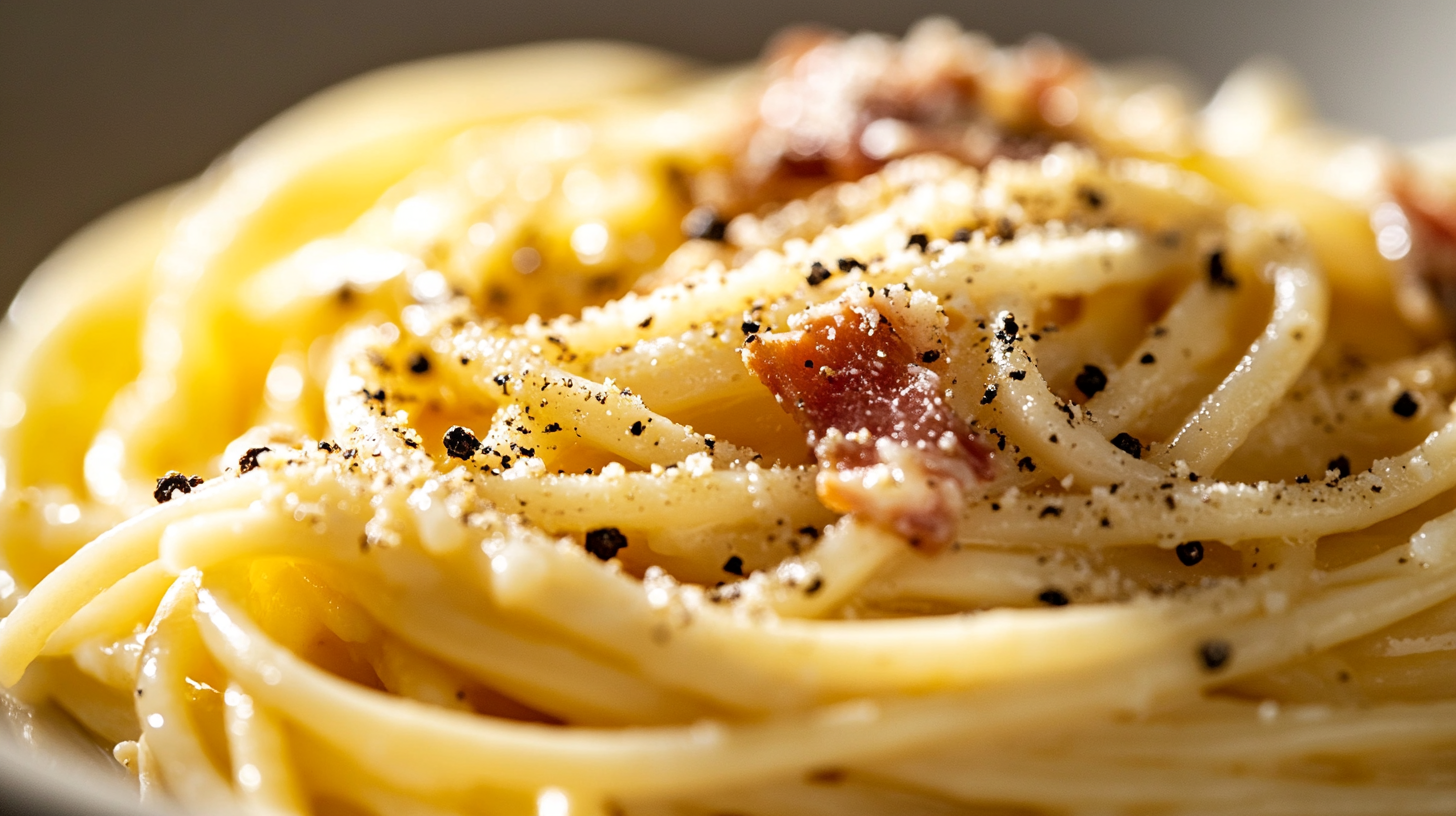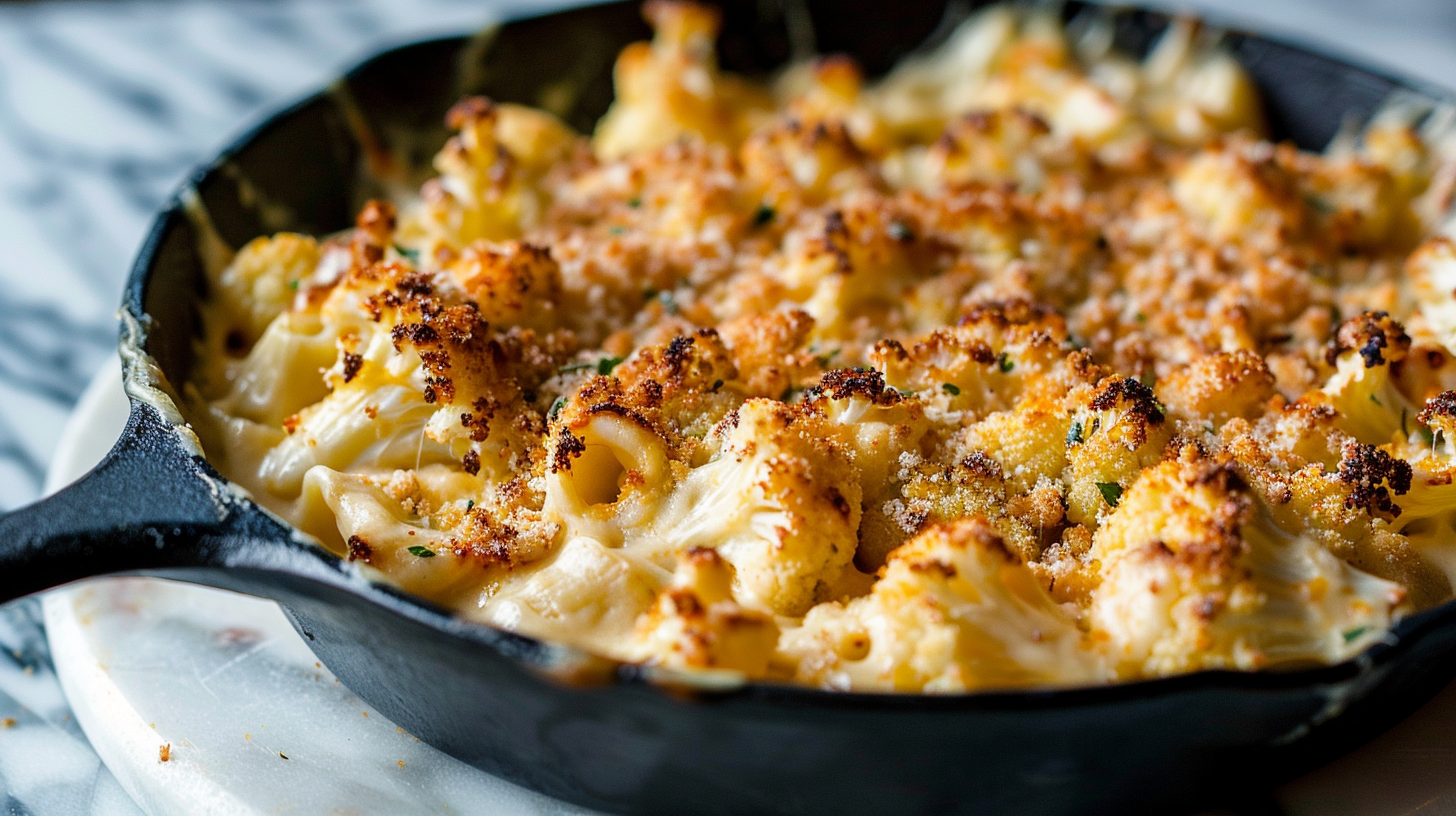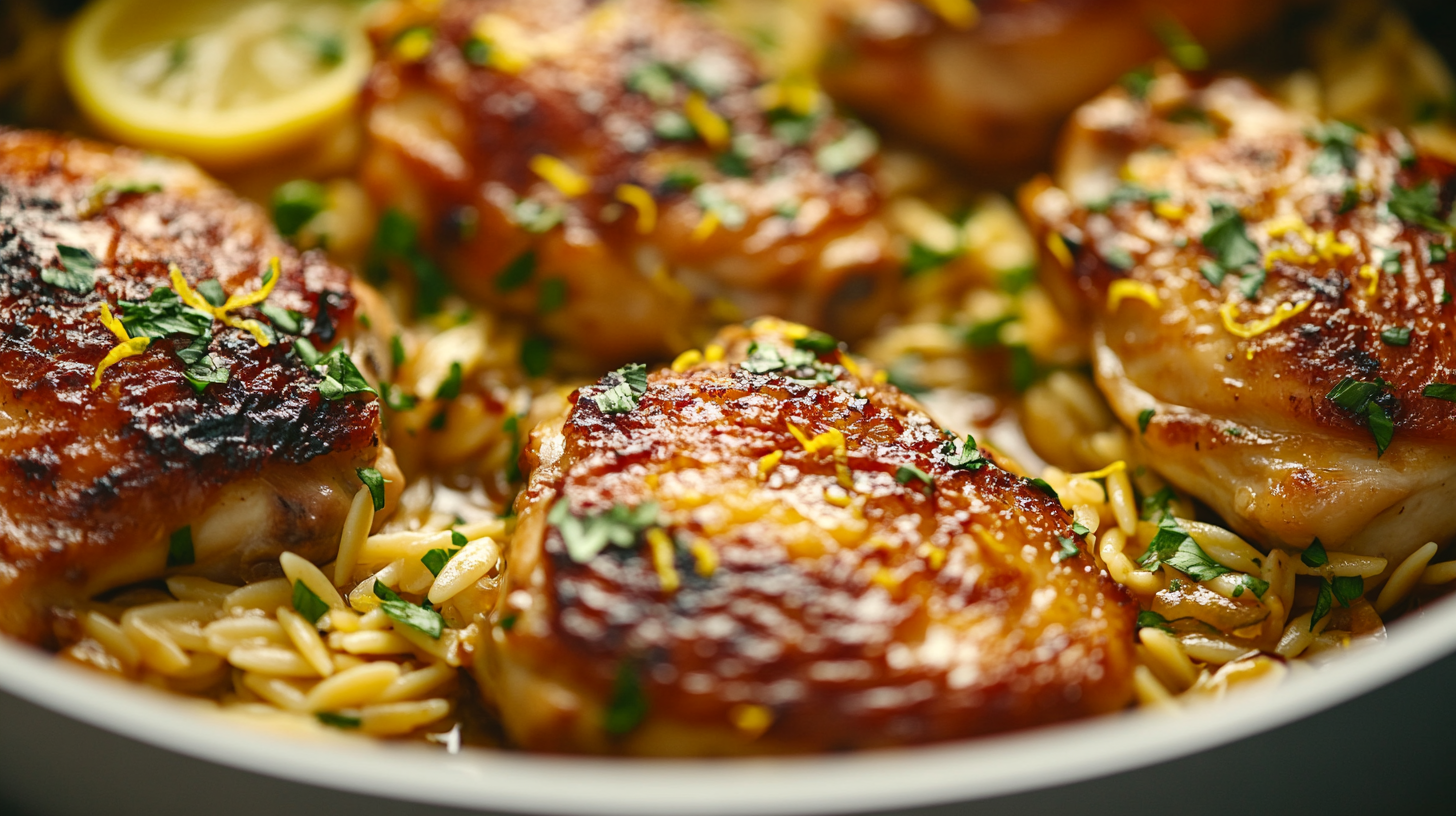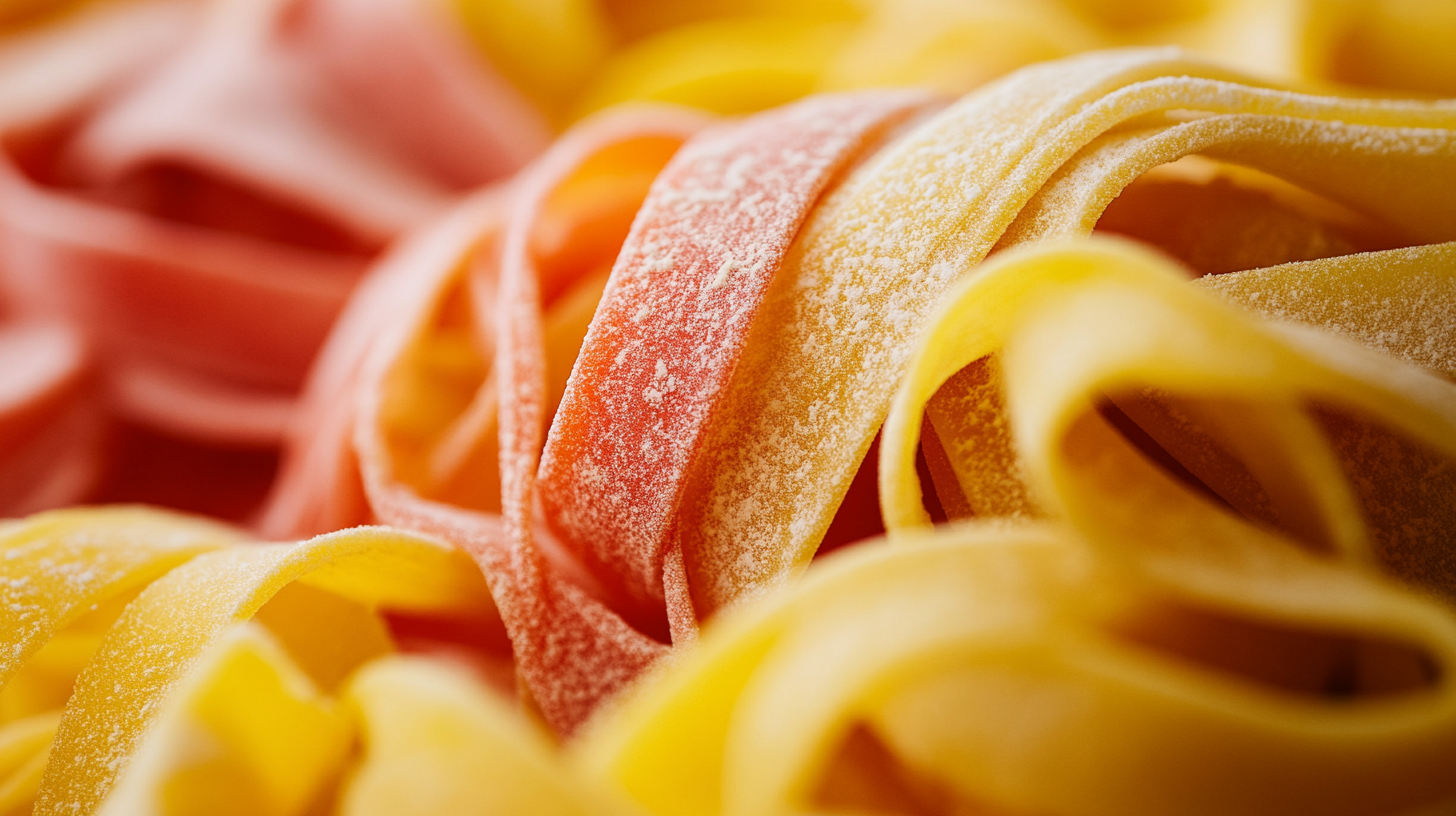
🧬Pasta serves as a versatile staple in many diets, providing a comforting source of energy with approximately 200 calories per 100 grams. Its neutral flavor and slightly chewy texture make it an ideal canvas for various sauces, while research suggests that its fiber content may support gut health and contribute to the gut-brain axis, potentially influencing mood through the release of dopamine. This connection between food and mental well-being highlights pasta's role not just as a meal, but as a source of comfort.
🧑🍳When cooking pasta, it's essential to taste it about two minutes before the package time to ensure it reaches the perfect al dente texture, characterized by a slight firmness at the center. After draining, immediately finish the pasta in your sauce over heat; this allows for carryover cooking that enhances the final texture. Mastering these techniques will ensure your pasta dishes are consistently satisfying.
This post contains affiliate links.
About this article
Foodbe.ai exists to inform consumers about the food they buy and eat. Every claim is cited. Sources: NIH, USDA, FDA, Smithsonian, and JSTOR. Found an error? Email us at admin@foodbe.ai to report any source or fact issues.