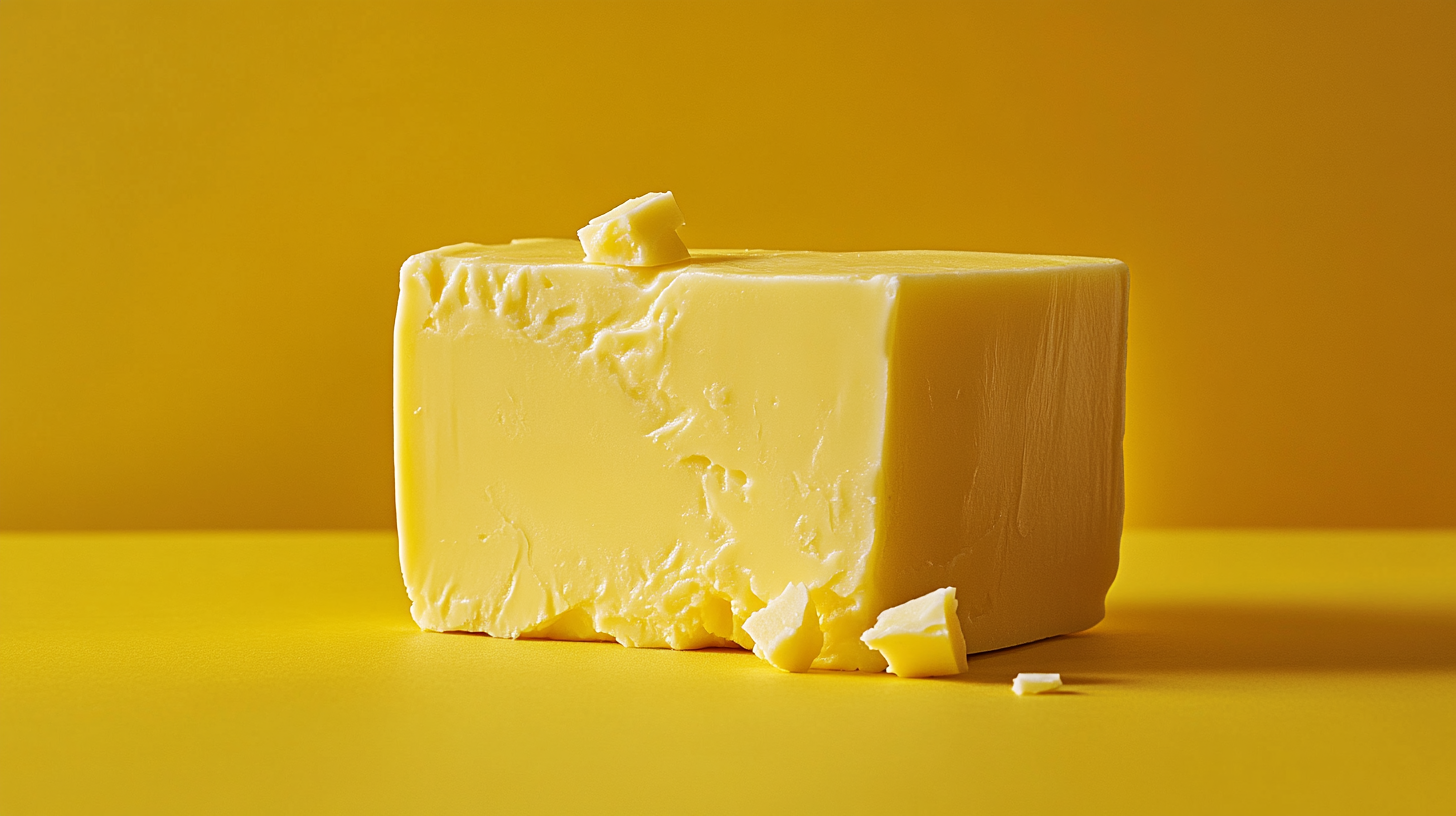
🧬Margarine serves as a versatile fat source, providing 102 calories per 100 grams, making it a substantial energy contributor in various diets, including vegan and dairy-free options. Its neutral, buttery flavor profile allows it to blend seamlessly into recipes, though it is important to note that its processing and plant-based origins can affect gut health. While margarine can be a suitable substitute for butter in many applications, its unique emulsifier and water content can lead to different baking results, potentially undermining recipes developed specifically for butter.
🧑🍳In the kitchen, soft tub margarine excels as a spread for bread, toast, and crackers, where its primary role is to provide surface lubrication rather than imparting flavor. However, when cooking or baking, butter is preferable for applications that rely on fat for flavor, such as finishing sauces or sautéing aromatics. Always check margarine labels for 'partially hydrogenated' ingredients to avoid hidden trans fats, as even products claiming '0g trans fat' can contribute to daily intake. Use margarine wisely for spreading, but reserve butter for flavor-driven cooking techniques.
This post contains affiliate links.
About this article
Foodbe.ai exists to inform consumers about the food they buy and eat. Every claim is cited. Sources: NIH, USDA, FDA, Smithsonian, and JSTOR. Found an error? Email us at admin@foodbe.ai to report any source or fact issues.