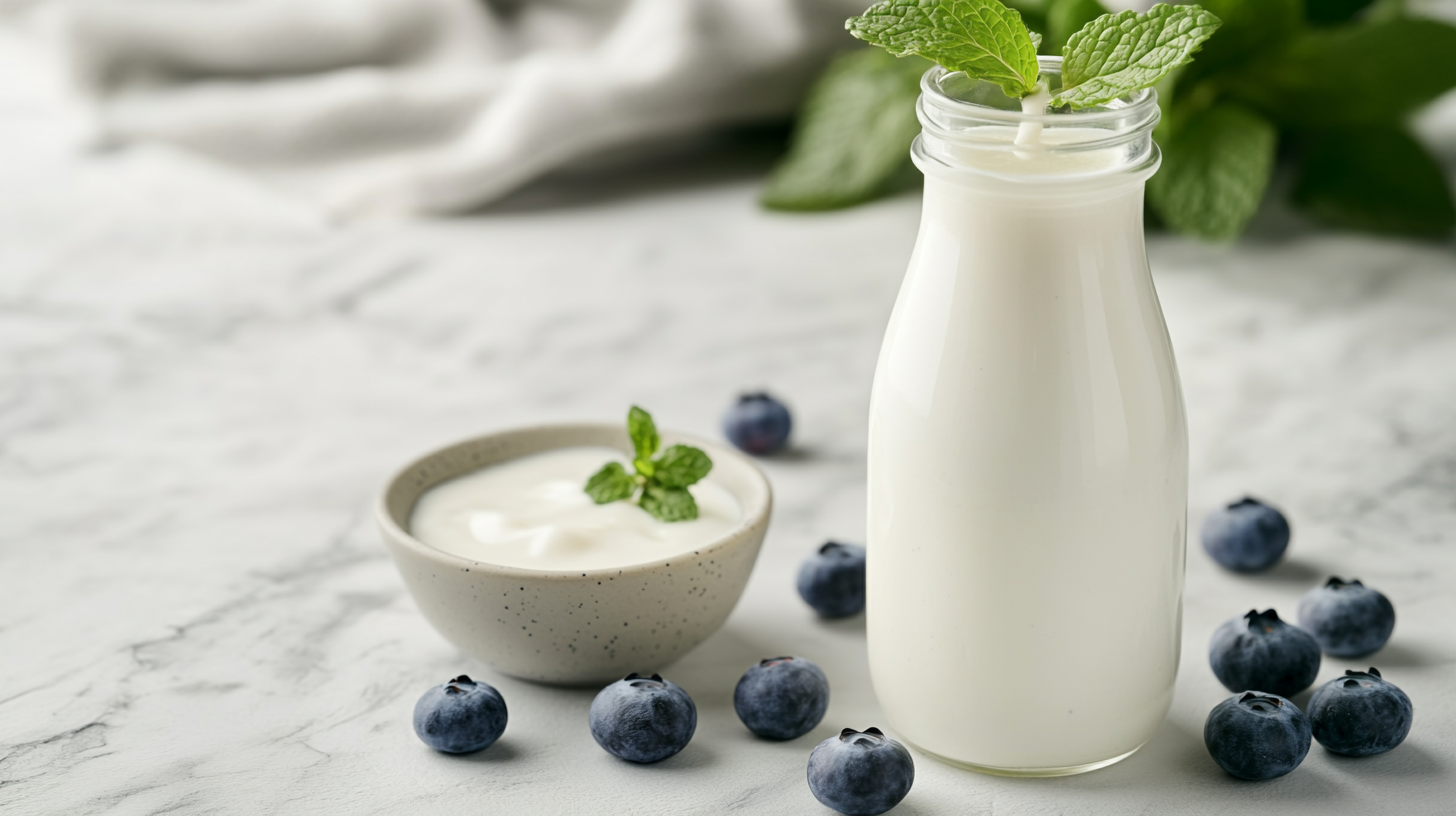
🧬Kefir is a probiotic-rich dairy product that plays a significant role in gut health and immune support. With approximately 9.7 grams of protein per 100 grams, this tangy and creamy beverage also acts as a serotonin precursor, highlighting the connection between gut health and mental well-being. Its mildly sour and slightly effervescent flavor profile makes it a refreshing choice for post-workout recovery, while its low fiber content and lactase-producing properties may enhance lactose tolerance for many individuals.
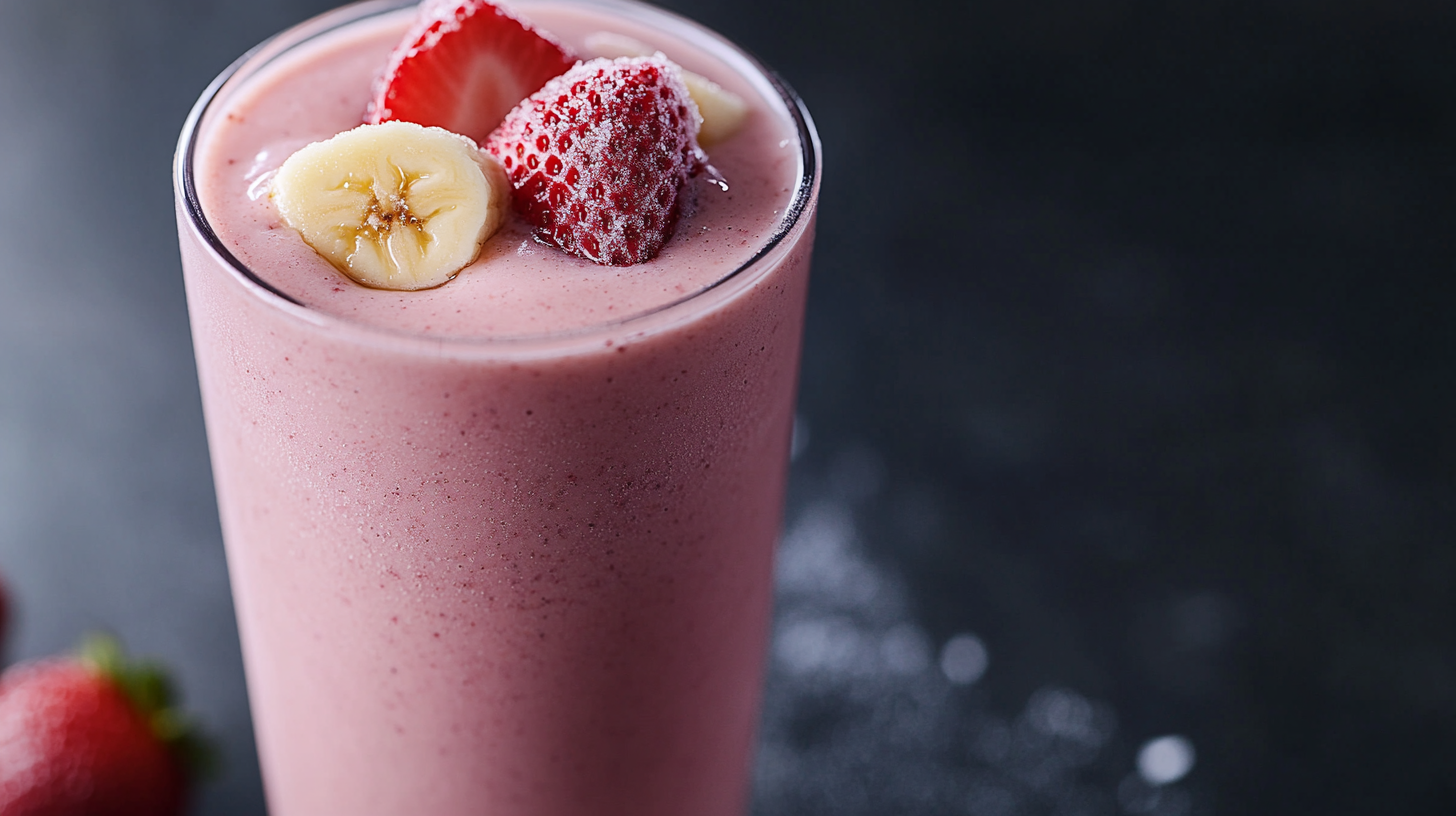
🧑🍳In the kitchen, kefir shines as a versatile ingredient, perfect for smoothies or as a base for breakfast bowls. Its unique tanginess can brighten up dishes, making it an excellent substitute for yogurt or buttermilk in recipes. When using kefir, consider blending it into fruit smoothies for added creaminess or drizzling it over granola for a satisfying crunch. Incorporating kefir into your meals can be both simple and rewarding.
This post contains affiliate links.
About this article
Foodbe.ai exists to inform consumers about the food they buy and eat. Every claim is cited. Sources: NIH, USDA, FDA, Smithsonian, and JSTOR. Found an error? Email us at admin@foodbe.ai to report any source or fact issues.