June 4, 2026
👖 How many carbs should I eat on Ozempic?
The drug tells you to stop eating. The question is what you were eating before you stopped.
While on Ozempic, adults should generally focus on high-fiber, lower-glycemic carbohydrate sources, with total carbohydrate intake individualized based on calorie needs, diabetes status, and medical advice. For most people with diabetes, carbohydrate quality, fiber, and total intake all matter. GLP-1 receptor agonists like semaglutide improve glycemic control and are commonly used alongside balanced, sustainable eating patterns.
Lower-carbohydrate eating has been part of diabetes management long before modern medications existed. Modern diabetes guidance emphasizes balanced, sustainable eating patterns rather than one-size-fits-all carbohydrate restriction. For most people, carbohydrate intake should be adjusted around lifestyle, appetite, glucose goals, and medical needs.
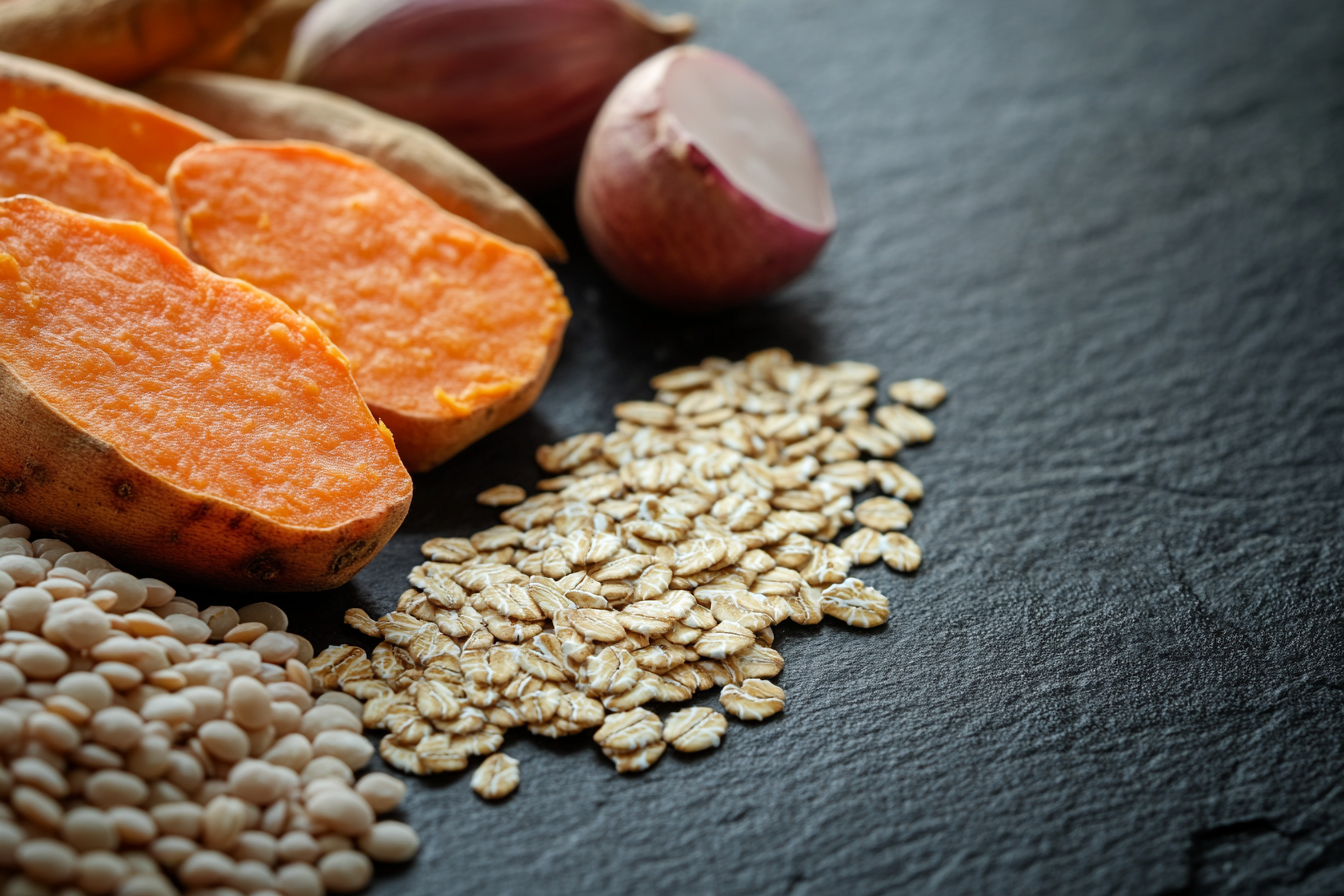
Prioritize whole grains, legumes, and vegetables for carbohydrate sources to maximize fiber and minimize blood sugar spikes. Distribute carbohydrate intake evenly across meals to support stable blood glucose while on Ozempic. Monitor for gastrointestinal side effects when increasing fiber, as Ozempic can cause mild to moderate GI disturbances.

This post contains affiliate links.
About this article
Foodbe.ai exists to inform consumers about the food they buy and eat. Every claim is cited. Sources: NIH, USDA, FDA, Smithsonian, and JSTOR. Found an error? Email us at admin@foodbe.ai to report any source or fact issues.