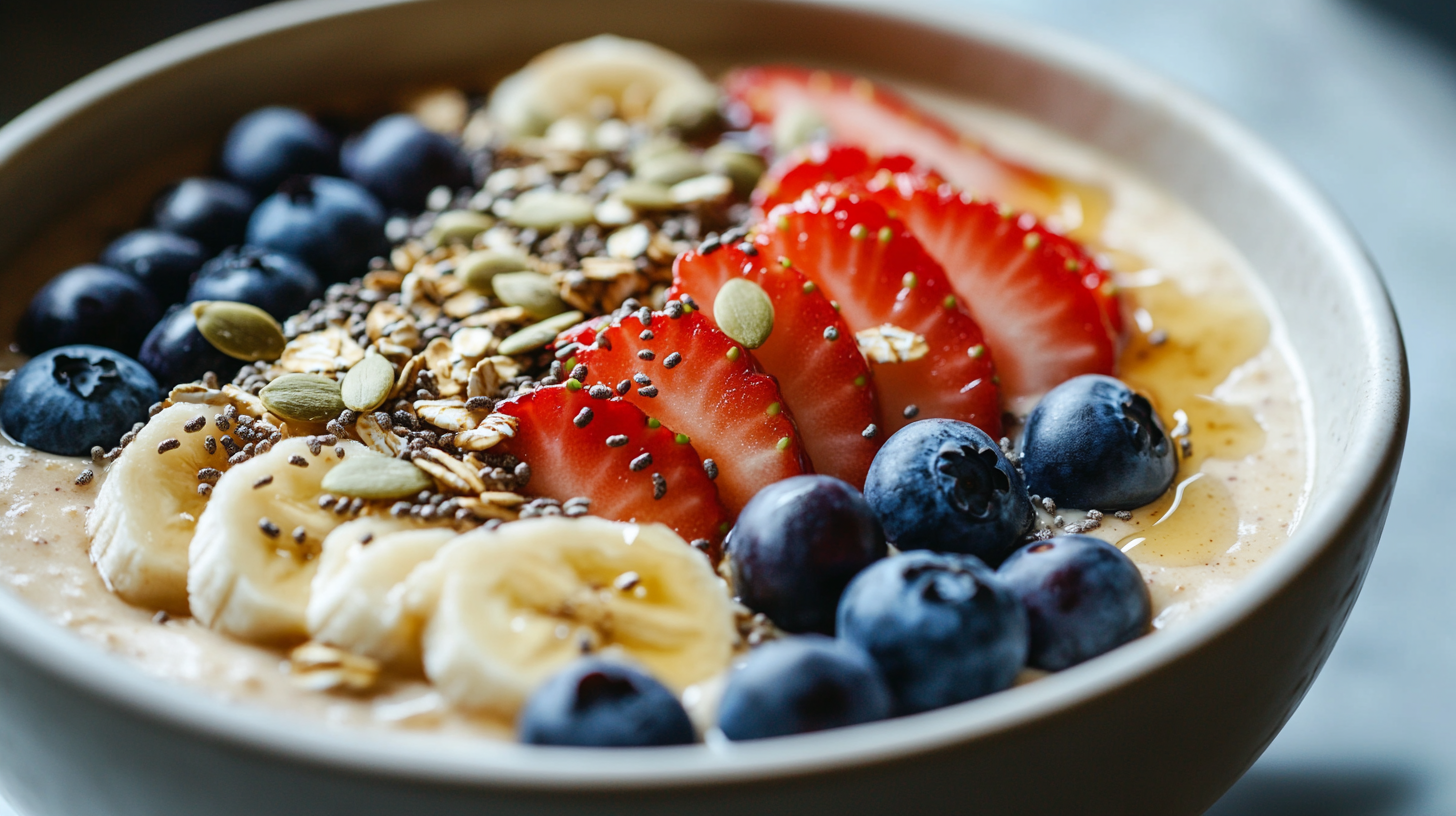
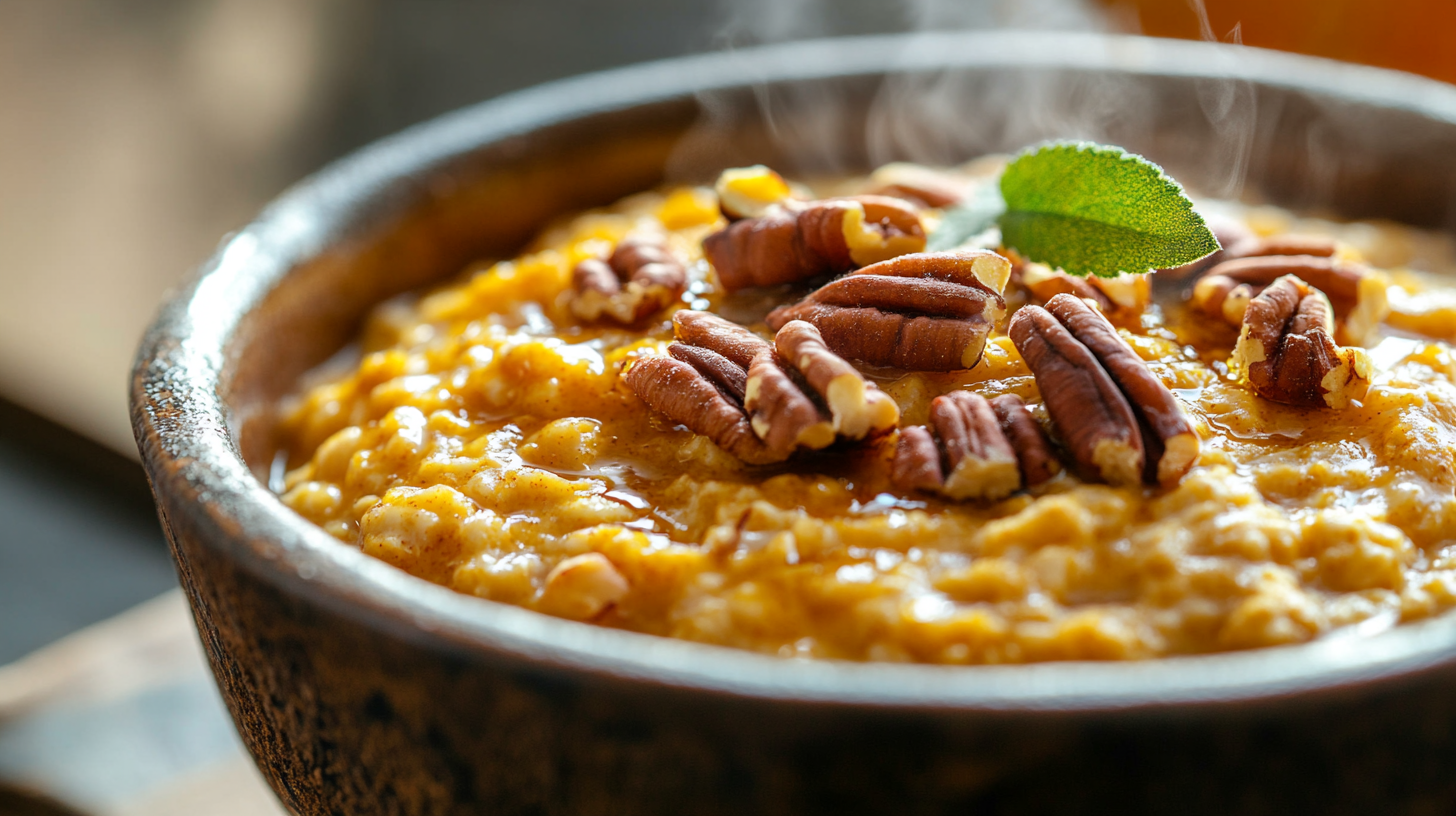
🧬Granola is a versatile ingredient that offers a satisfying crunch and a sweet, toasty flavor profile. With 3.5 grams of protein per 100 grams, it provides a notable energy boost while also supporting digestive health through its high fiber content. Research suggests that incorporating granola into your diet may help with cholesterol levels and overall energy balance, making it a popular choice for breakfast or as a snack.
🧑🍳When preparing granola, consider toasting it lightly in the oven to enhance its nutty flavors and achieve that perfect crunch. Mixing in a variety of nuts and seeds can add texture and nutritional benefits, while a drizzle of honey or maple syrup can amplify its sweetness. Granola can be enjoyed on its own, sprinkled over yogurt, or used as a topping for smoothie bowls. Toasting is key to achieving the ideal flavor and texture.
This post contains affiliate links.
About this article
Foodbe.ai exists to inform consumers about the food they buy and eat. Every claim is cited. Sources: NIH, USDA, FDA, Smithsonian, and JSTOR. Found an error? Email us at admin@foodbe.ai to report any source or fact issues.