🧬Gin, a global spirit renowned for its distinct flavor profile dominated by juniper and herbal notes, plays a fascinating role in the realm of neurochemistry. Research suggests that its consumption may influence limbic modulation, which is linked to emotional regulation and stress relief. With approximately 250 calories per 100 grams, gin can serve as a stimulating beverage, but it's essential to be mindful of its effects on gut health, as alcohol can irritate the digestive system.
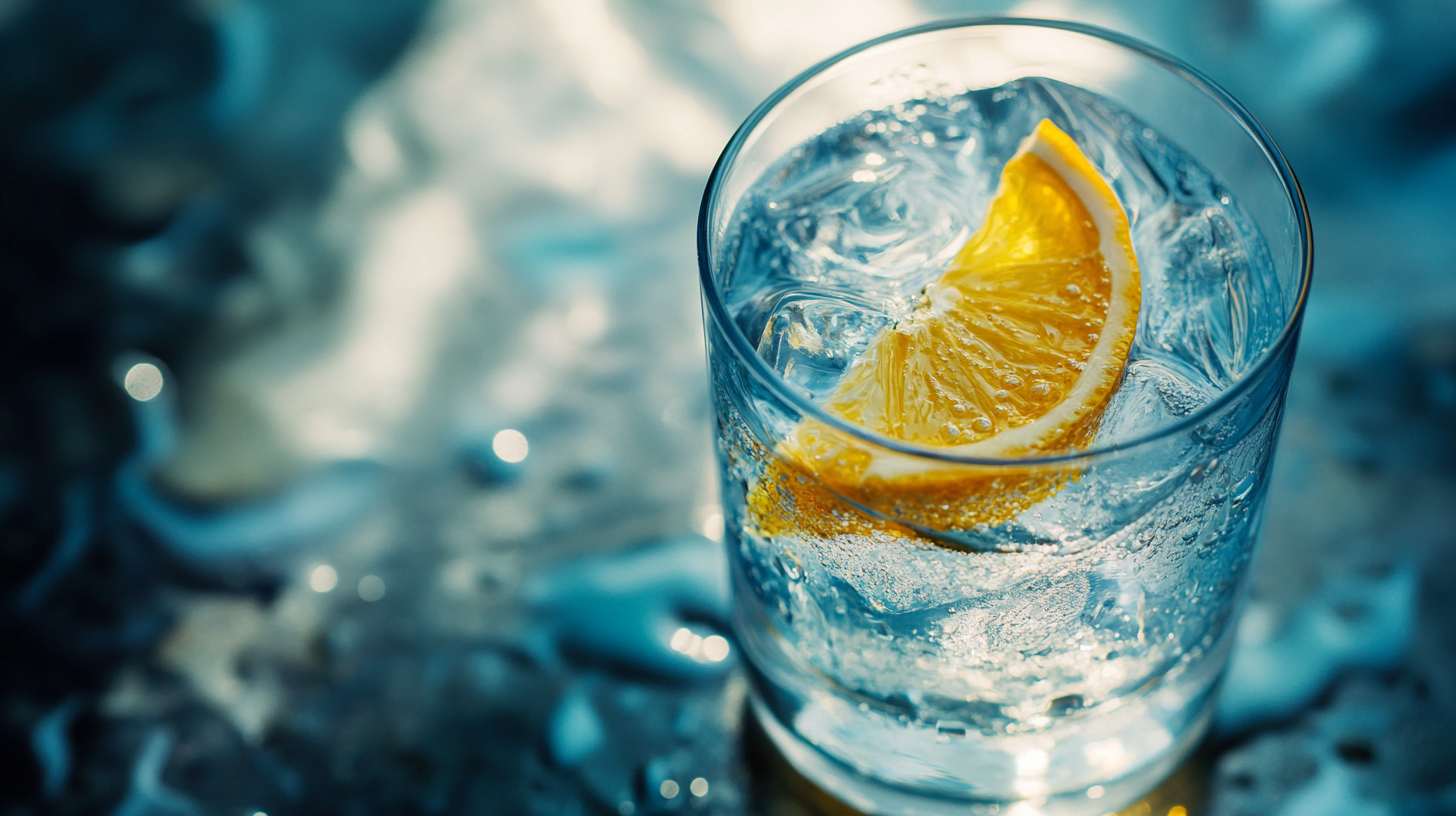
🧑🍳When it comes to using gin in cocktails, its herbal characteristics make it an excellent base for a variety of mixed drinks. Pairing gin with fresh herbs like basil or rosemary can enhance its botanical flavors, while citrus elements like lemon or lime can add brightness and balance. For a classic approach, consider crafting a gin and tonic, where the effervescence of tonic water complements the spirit's complexity. Mastering the art of balancing flavors is key to creating standout cocktails.
This post contains affiliate links.
About this article
Foodbe.ai exists to inform consumers about the food they buy and eat. Every claim is cited. Sources: NIH, USDA, FDA, Smithsonian, and JSTOR. Found an error? Email us at admin@foodbe.ai to report any source or fact issues.