Garlic
Vegetable →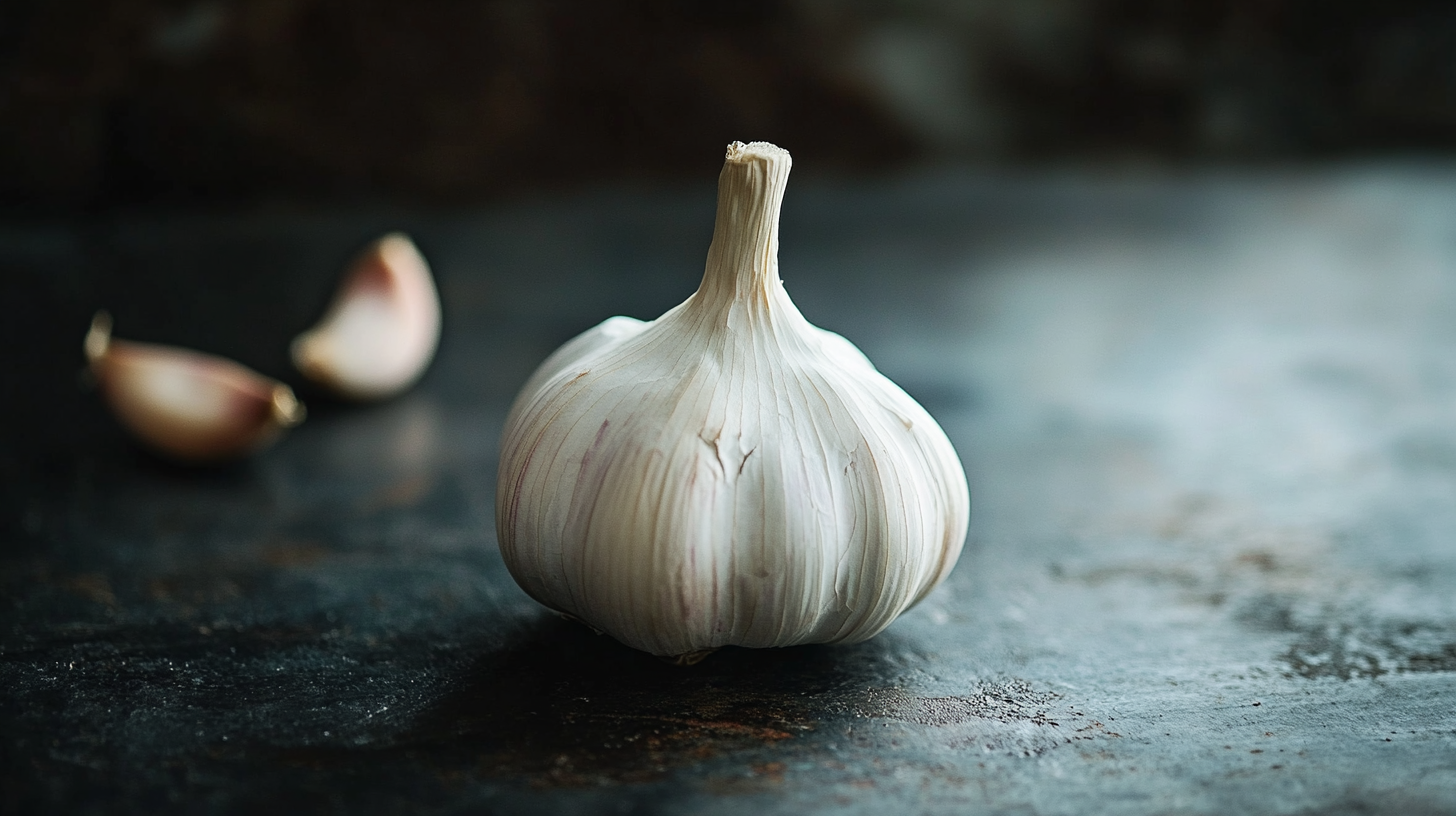
🧬Garlic is a versatile ingredient that not only enhances flavor but also offers numerous health benefits. Research suggests that its components may support heart health and possess antiviral properties, making it a valuable addition to various diets, including vegan and ketogenic. With 67 calories per 100 grams, garlic also provides fiber that serves as a prebiotic, promoting gut health and potentially influencing mood through the gut-brain axis.
🧑🍳In the kitchen, garlic can be approached in several ways to maximize its flavor without overwhelming a dish. Roasting whole heads at 200°C for 40 minutes transforms the sharp cloves into a sweet, creamy paste perfect for spreading. Alternatively, adding sliced garlic to cold oil and gradually increasing the heat allows the flavors to develop without burning, which is crucial since a single burned clove can ruin an entire dish. Proper technique is essential for achieving the best results.
This post contains affiliate links.
About this article
Foodbe.ai exists to inform consumers about the food they buy and eat. Every claim is cited. Sources: NIH, USDA, FDA, Smithsonian, and JSTOR. Found an error? Email us at admin@foodbe.ai to report any source or fact issues.