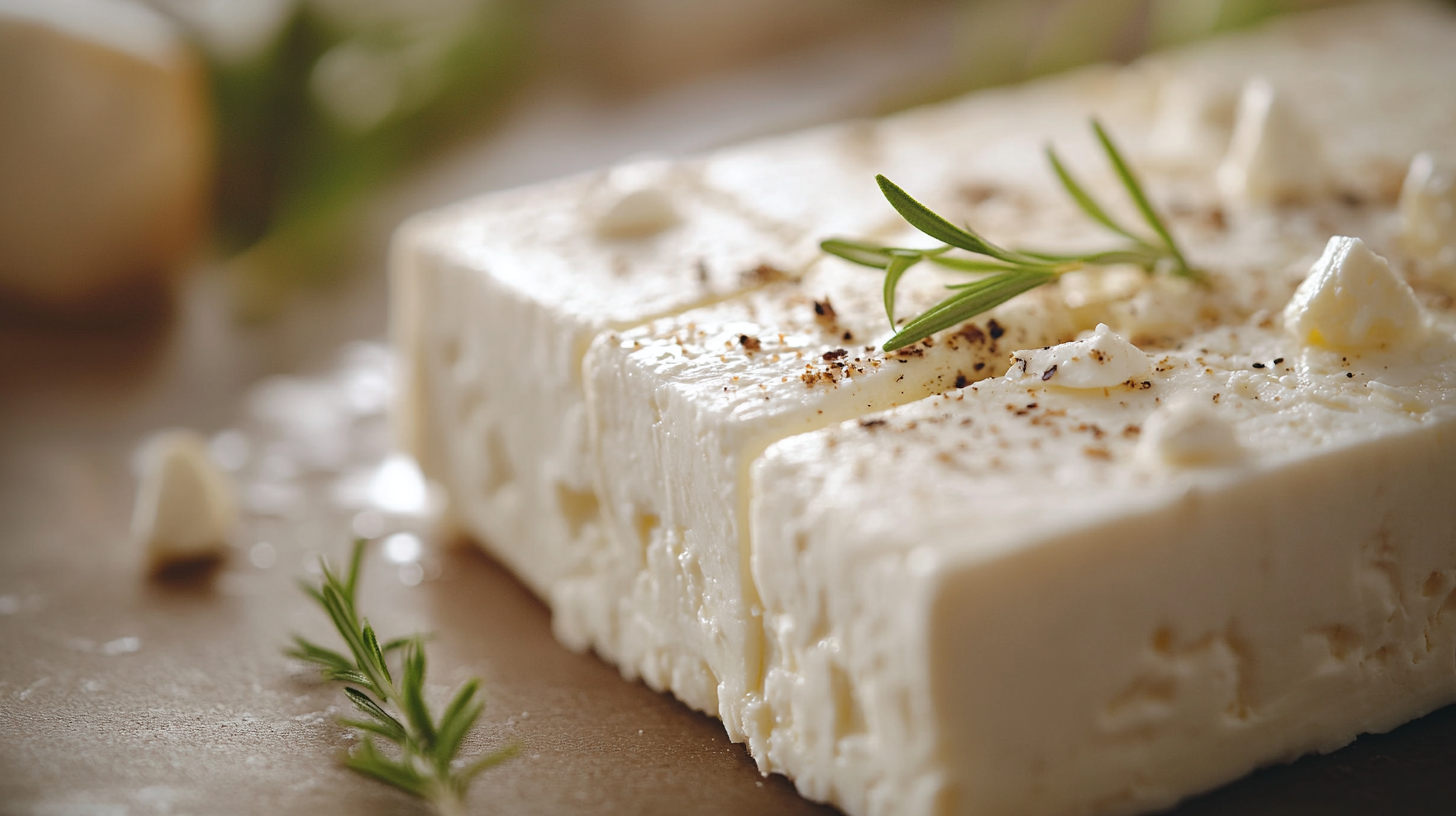
🧬Feta cheese, with its salty and tangy flavor profile, is not only a staple in Mediterranean cuisine but also a notable source of protein, providing 30 grams per 100 grams. The fermentation process involved in making feta contributes to its gut health benefits, as it contains probiotics that may support digestive wellness. Additionally, research suggests that the casein-opioid peptides in feta can influence the gut-brain axis, potentially modulating dopamine levels and enhancing the reward signals associated with food consumption.
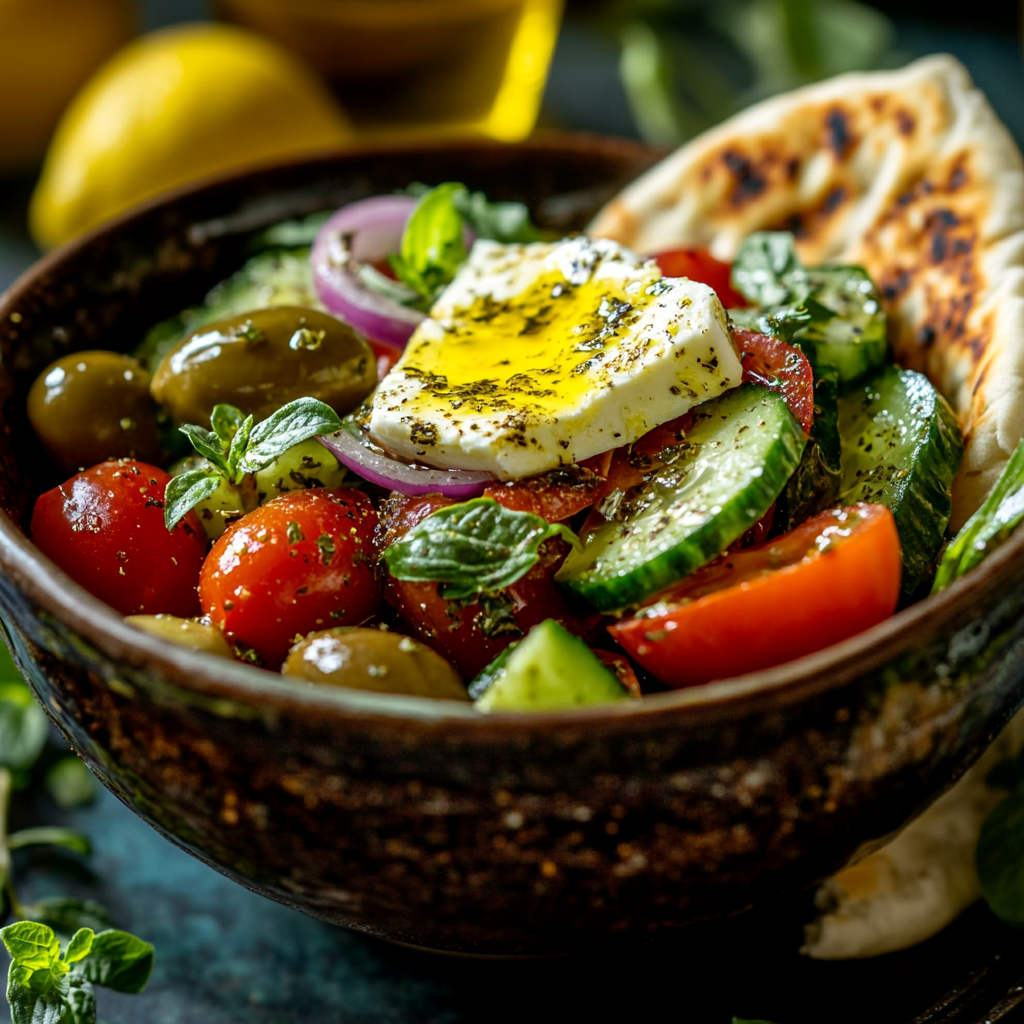
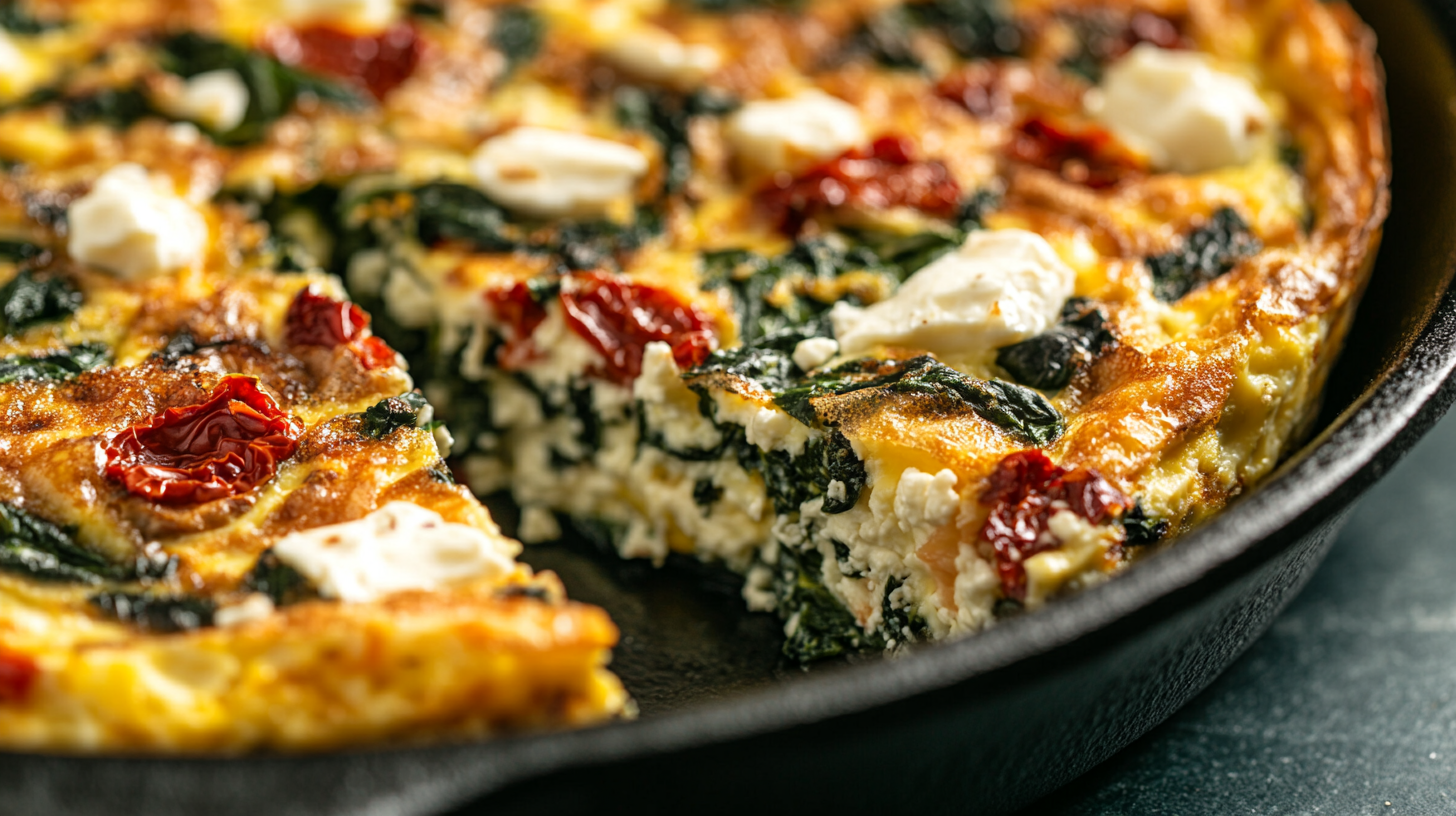
🧑🍳When it comes to cooking with feta, its crumbly texture makes it ideal for salads and mezze platters, but it can also be incorporated into baked dishes and pasta. Unlike soft cheeses that require refrigeration and can spoil quickly, feta can safely be left out for several hours during service due to its lower water activity. To maintain its quality, store feta wrapped in parchment or wax paper to allow it to breathe while protecting it from moisture and mold.
This post contains affiliate links.
About this article
Foodbe.ai exists to inform consumers about the food they buy and eat. Every claim is cited. Sources: NIH, USDA, FDA, Smithsonian, and JSTOR. Found an error? Email us at admin@foodbe.ai to report any source or fact issues.