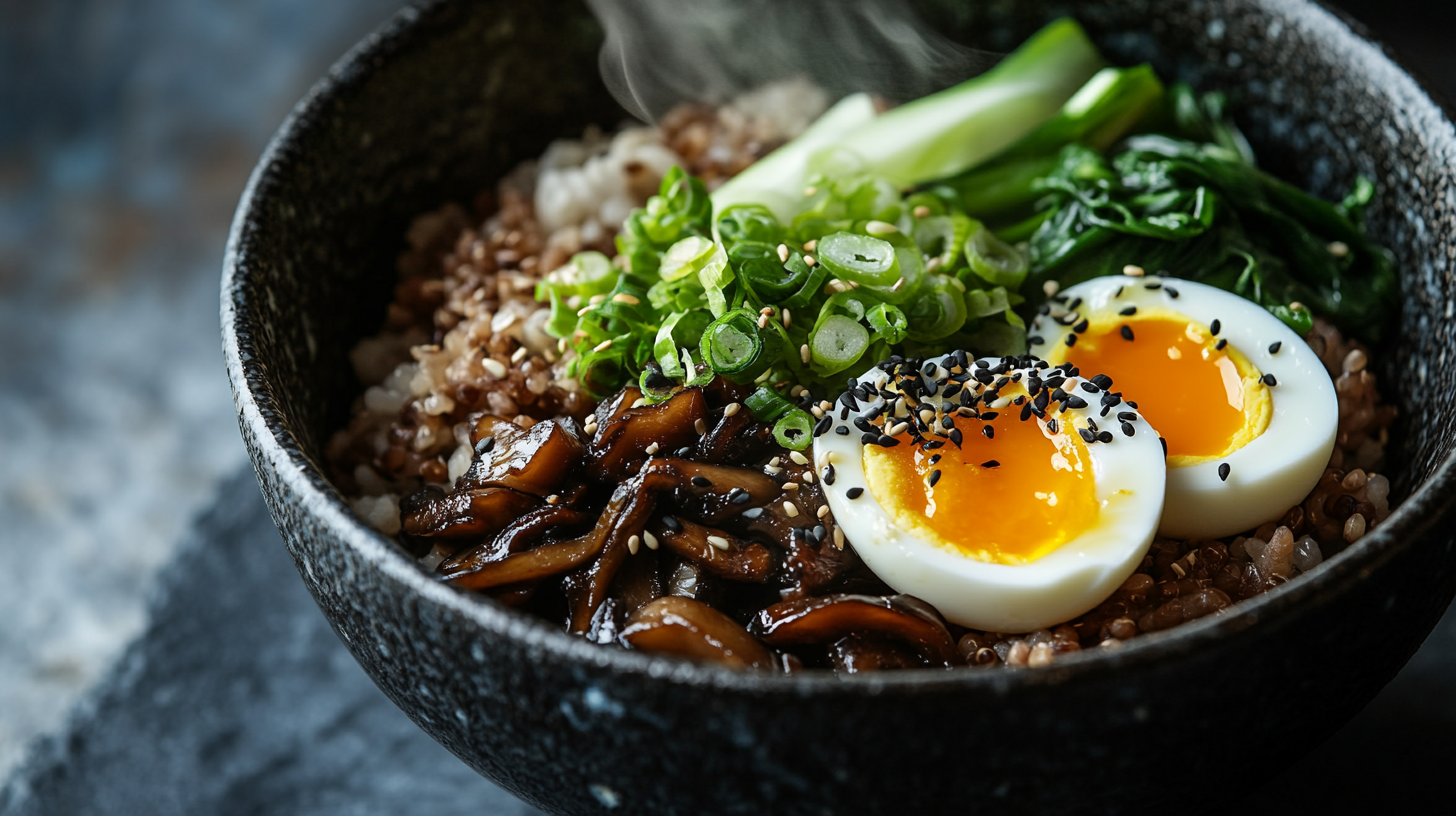
🧬Eggs are a powerhouse of nutrition, providing about 6 grams of protein per 100 grams. They are rich in choline, which research suggests may support cognitive function and mood stabilization, while also playing a role in brain health. The presence of acetylcholine-boosting compounds in eggs can enhance cognitive support, making them a beneficial addition to a balanced diet.
🧑🍳For perfect boiled eggs, start by placing refrigerator-cold eggs in already-boiling water for exactly six minutes, then transfer them immediately to an ice bath. This method yields a jammy center that is neither runny nor overcooked. To peel them easily, do so under running water or while submerged in the ice bath, ensuring the shell comes off cleanly.
This post contains affiliate links.
About this article
Foodbe.ai exists to inform consumers about the food they buy and eat. Every claim is cited. Sources: NIH, USDA, FDA, Smithsonian, and JSTOR. Found an error? Email us at admin@foodbe.ai to report any source or fact issues.