June 4, 2026
👖 Does coffee affect GLP-1 medication?
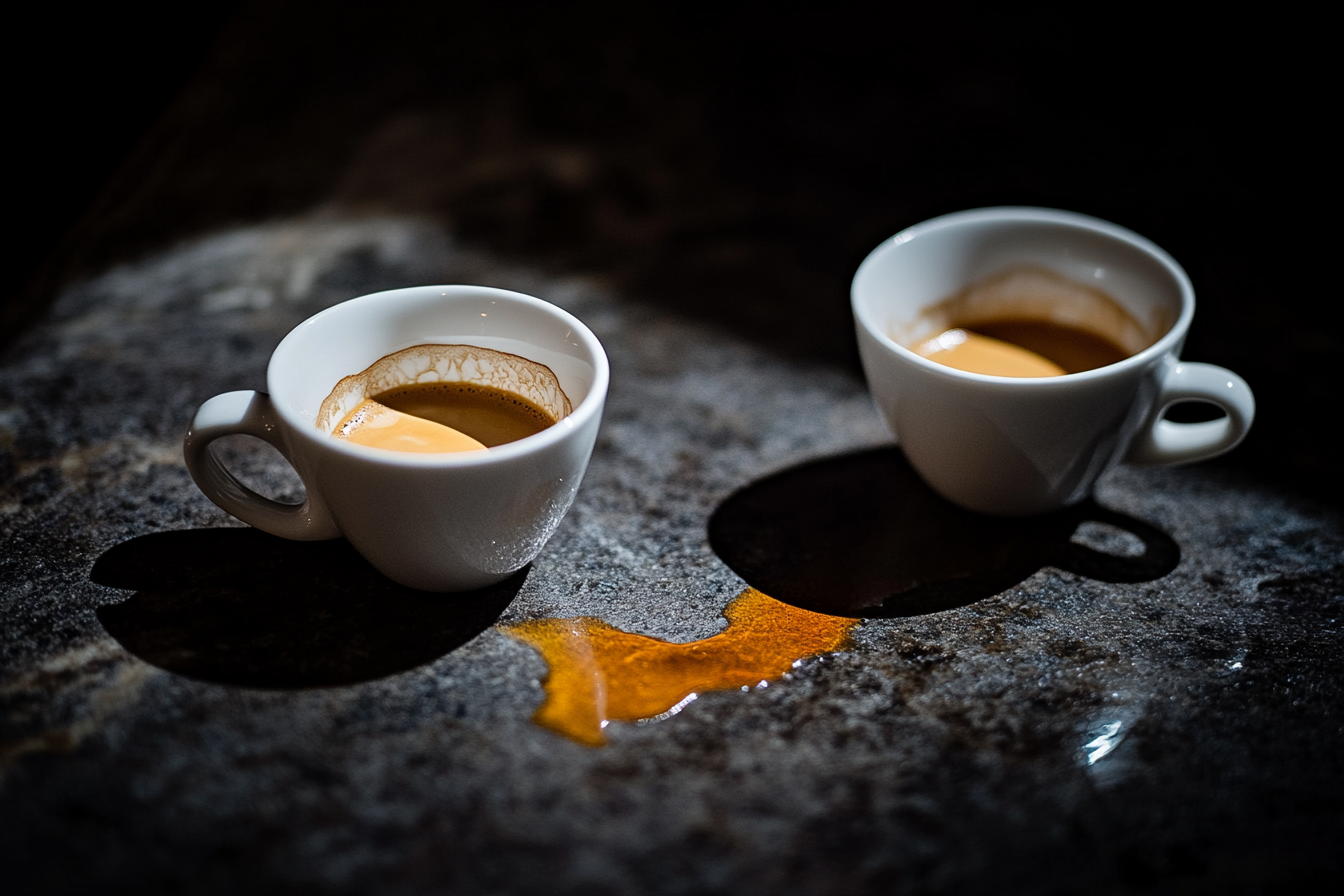
The second cup of ☕ coffee is always the problem. Not because the caffeine doubled — because the stomach was already slowing.
GLP-1 receptor agonists can slow gastric emptying, which may affect GI tolerance for some foods and drinks. Caffeine stimulates the central nervous system and can increase alertness, heart rate, and stomach acid production — which may contribute to reflux or stomach discomfort during periods of reduced food intake.
Many people on GLP-1 still tolerate ☕ coffee normally once hydration, protein, and food intake stay more consistent. In some people, caffeine effects may feel stronger during periods of very low food intake. Large caffeine amounts may contribute to perceived dehydration symptoms if fluid intake is already insufficient.
Sugary ☕ coffee drinks can still produce rapid glucose rises on GLP-1 even though gastric emptying is already slowed. Research suggests ☕ coffee and caffeine may temporarily affect glucose response and stress hormone levels in some individuals. Plain ☕ coffee, ☕ coffee with milk, or balanced breakfast pairings often produce more stable energy and glucose patterns than dessert-style ☕ coffee drinks.

This post contains affiliate links.
About this article
Foodbe.ai exists to inform consumers about the food they buy and eat. Every claim is cited. Sources: NIH, USDA, FDA, Smithsonian, and JSTOR. Found an error? Email us at admin@foodbe.ai to report any source or fact issues.