March 10, 2025
Dark Roast Has Less Caffeine Than Light Roast. Here's Why.
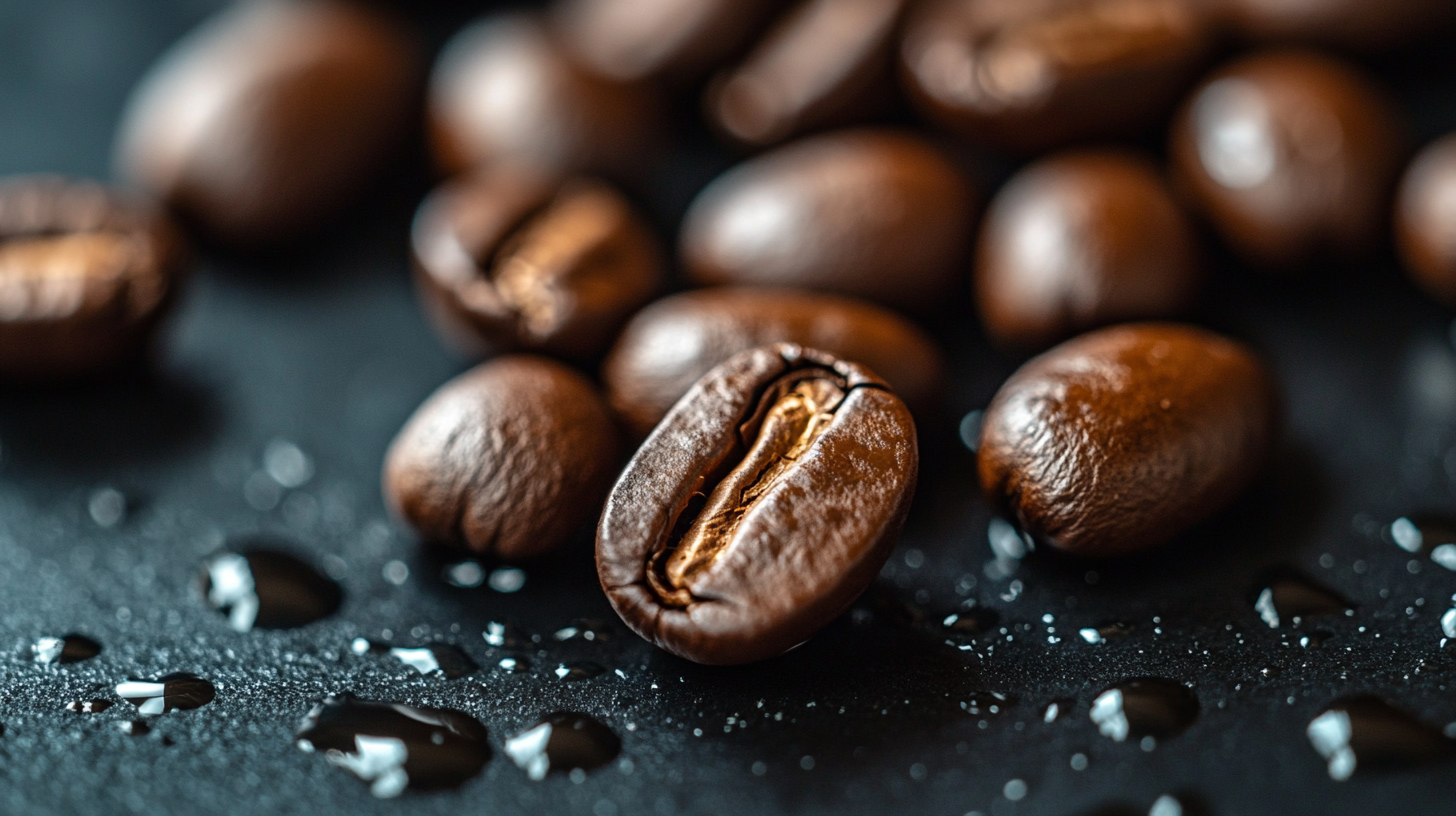
Dark roast and light roast usually have roughly similar caffeine by weight. By scoop, light roast can sometimes deliver slightly more caffeine because the beans are denser. Roast color alone tells you almost nothing about the actual caffeine dose in your cup.
Caffeine promotes wakefulness by blocking adenosine A2A receptors in the brain, removing the accumulating sleep signal and increasing arousal. The jitteriness some people feel is associated with adenosine blockade and downstream effects on arousal-related systems, including sympathetic activity.
Genetic variation in the adenosine A2A receptor gene (ADORA2A) means some individuals show greater anxiety responses to the same caffeine dose. The rs5751876 TT genotype has been associated in some studies with greater caffeine-induced anxiety. Habitual caffeine intake may reduce anxiety-producing effects for some people, though genetics can still influence sensitivity.
L-theanine, the amino acid found naturally in tea, may alter attention-related brain activity and soften some of caffeine's sharper effects. This may be one reason tea often feels less jitter-inducing than coffee, alongside tea's usually lower caffeine dose.
This post contains affiliate links.
About this article
Foodbe.ai exists to inform consumers about the food they buy and eat. Every claim is cited. Sources: NIH, USDA, FDA, Smithsonian, and JSTOR. Found an error? Email us at admin@foodbe.ai to report any source or fact issues.