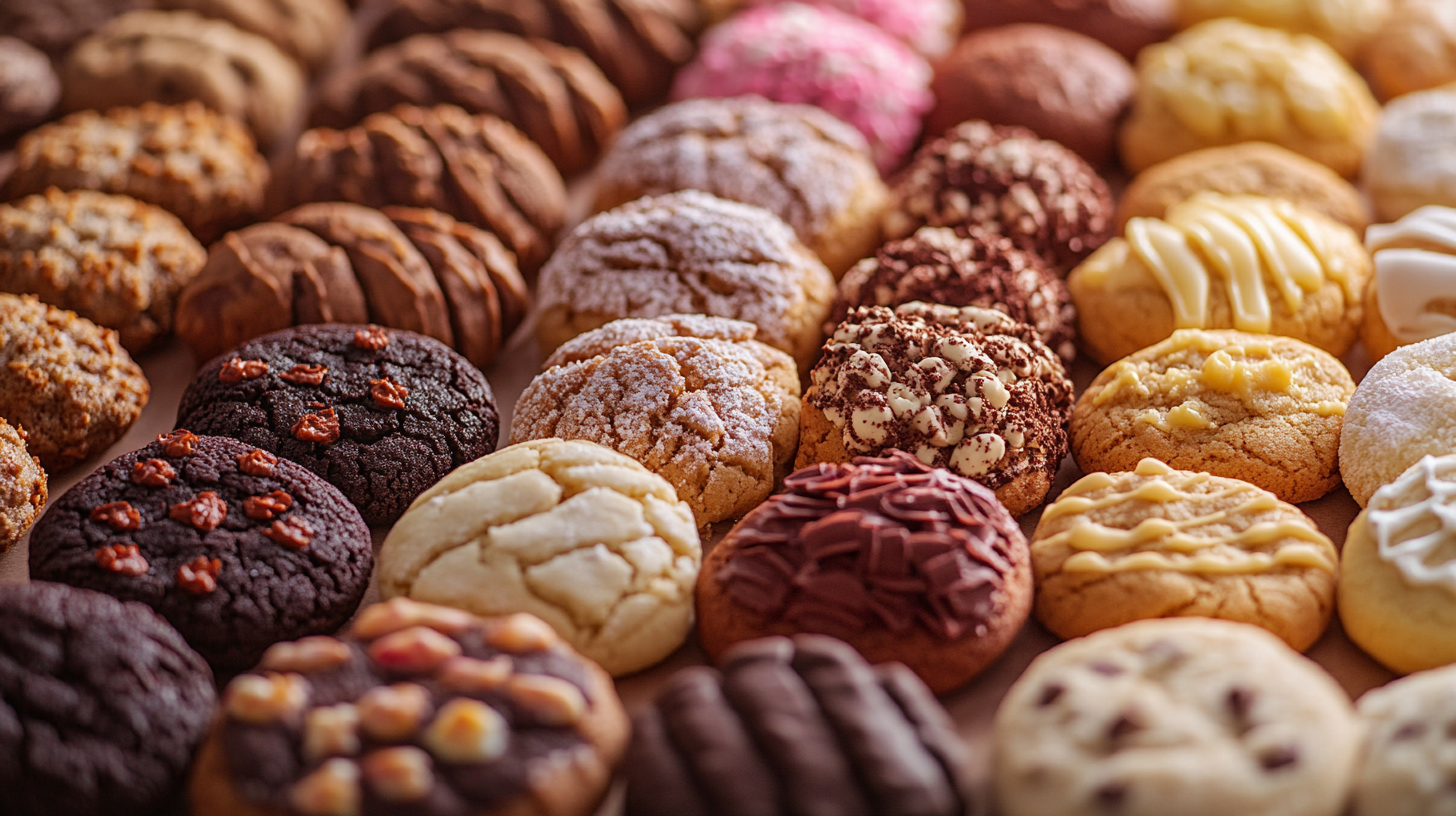
🧬Cookies are a beloved global snack, often associated with comfort and reward. With a calorie count of 502 per 100 grams, they provide a quick energy boost, largely due to their sweet and buttery flavor profile. The enjoyment of cookies can trigger the release of dopamine, reinforcing their status as a go-to indulgence that many turn to for a moment of solace.
🧑🍳For the best cookie experience, consider refrigerating your dough overnight instead of just 30 minutes. This longer resting period allows the flour to fully hydrate and enhances flavor distribution, resulting in a more consistent texture. Additionally, using bread flour instead of all-purpose flour can yield chewier cookies, thanks to its higher protein content. Aim for thick, satisfying cookies that are sure to please.
This post contains affiliate links.
About this article
Foodbe.ai exists to inform consumers about the food they buy and eat. Every claim is cited. Sources: NIH, USDA, FDA, Smithsonian, and JSTOR. Found an error? Email us at admin@foodbe.ai to report any source or fact issues.