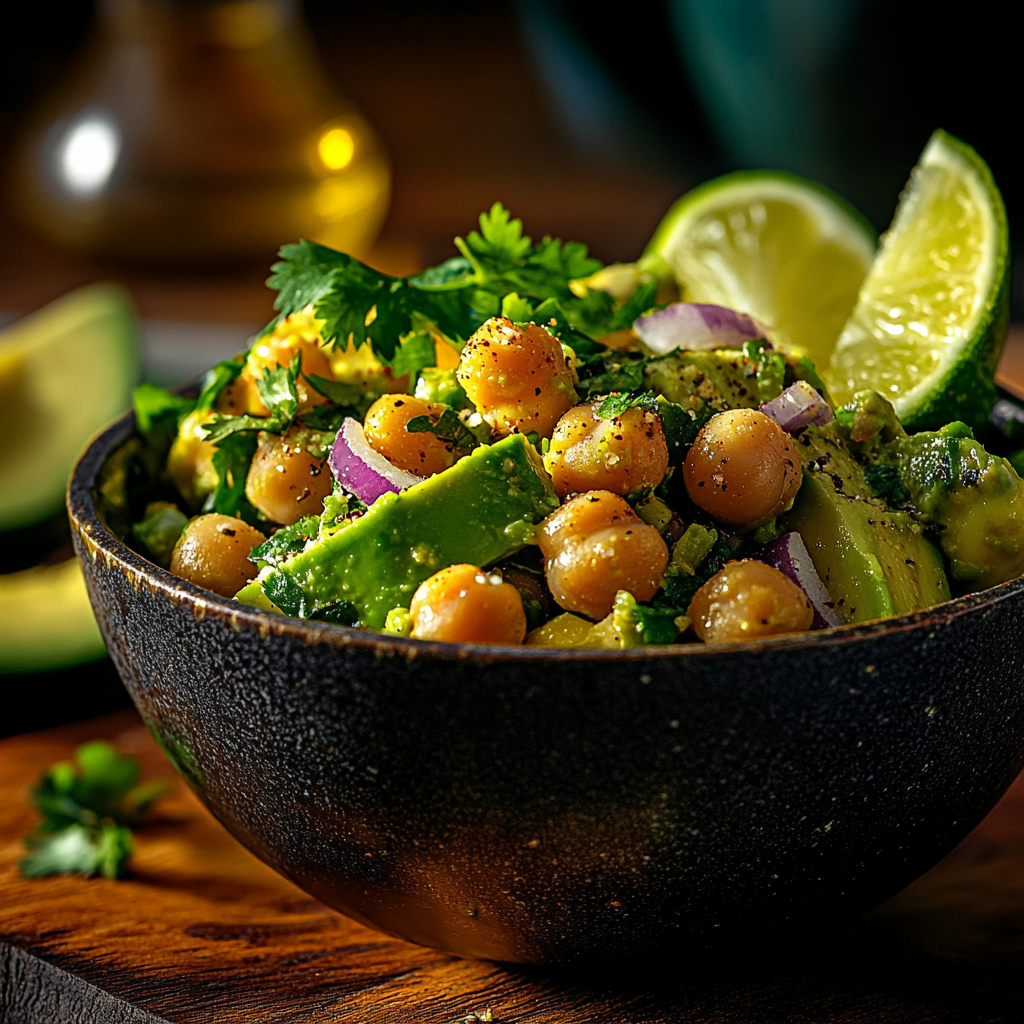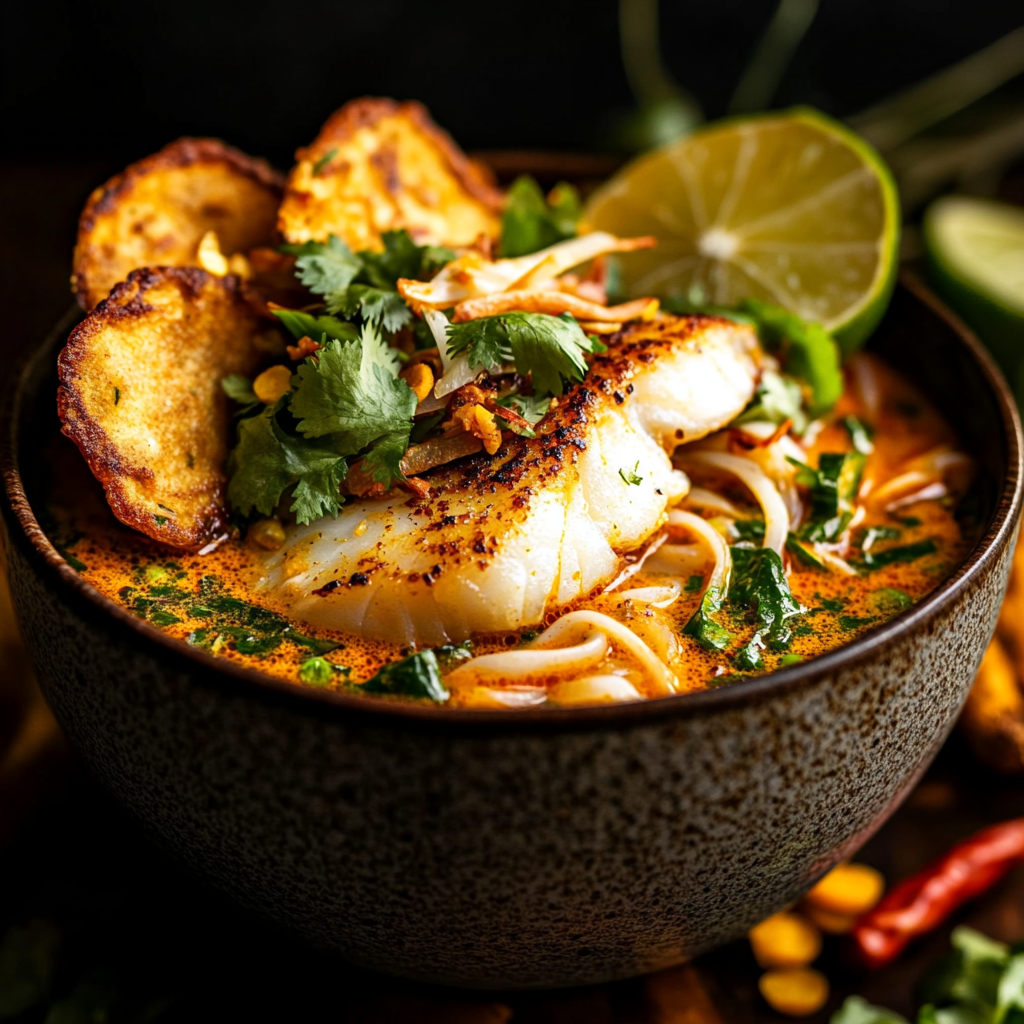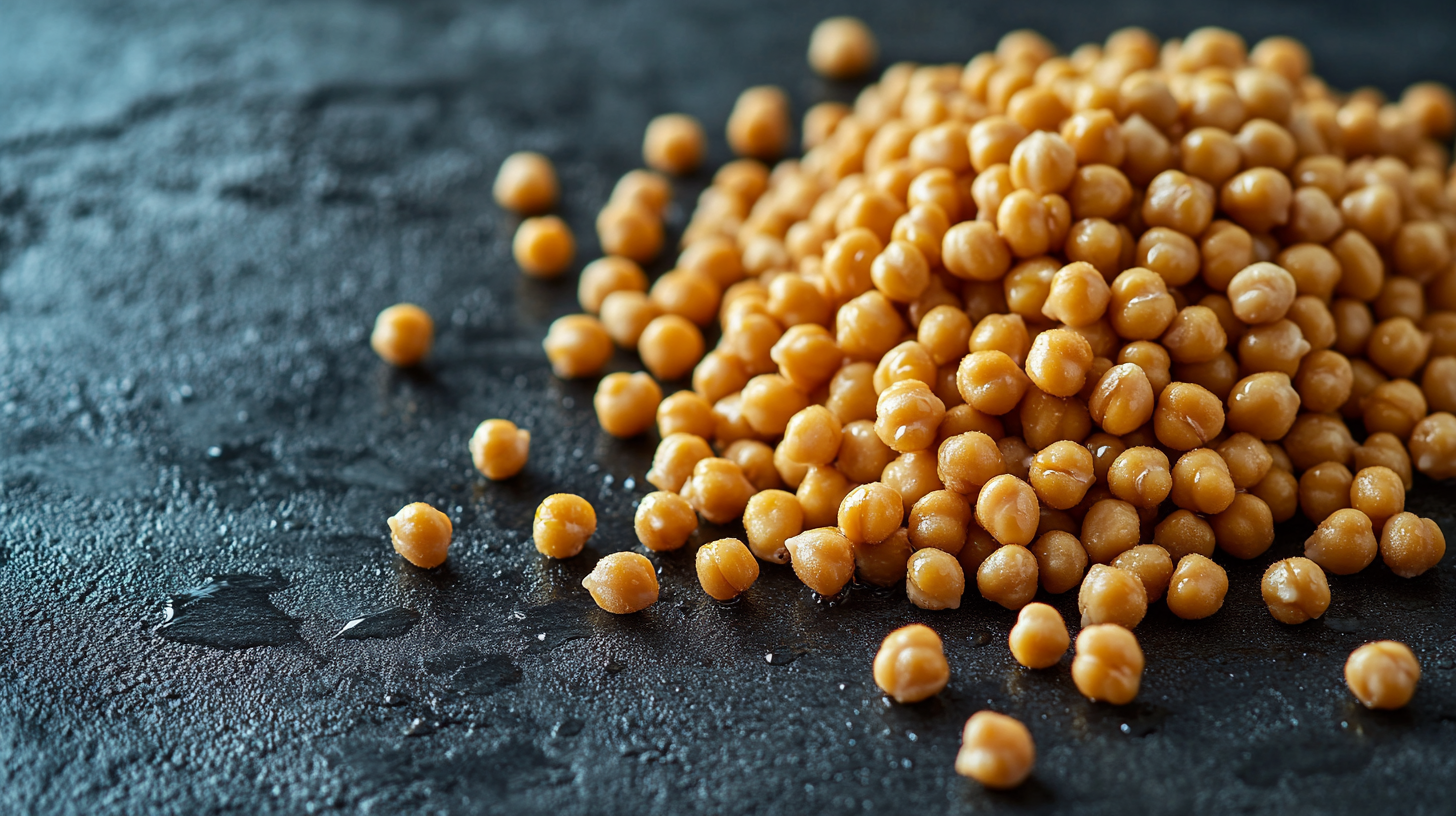
🧬Chickpeas, with their nutty and buttery flavor, provide a wealth of health benefits. Research suggests that their high fiber content—12.5 grams per 100 grams—supports gut health and may contribute to blood sugar stabilization and cholesterol lowering. This legume plays a significant role in the gut-brain axis, potentially influencing mood and cognitive function while also being beneficial for anemia support.
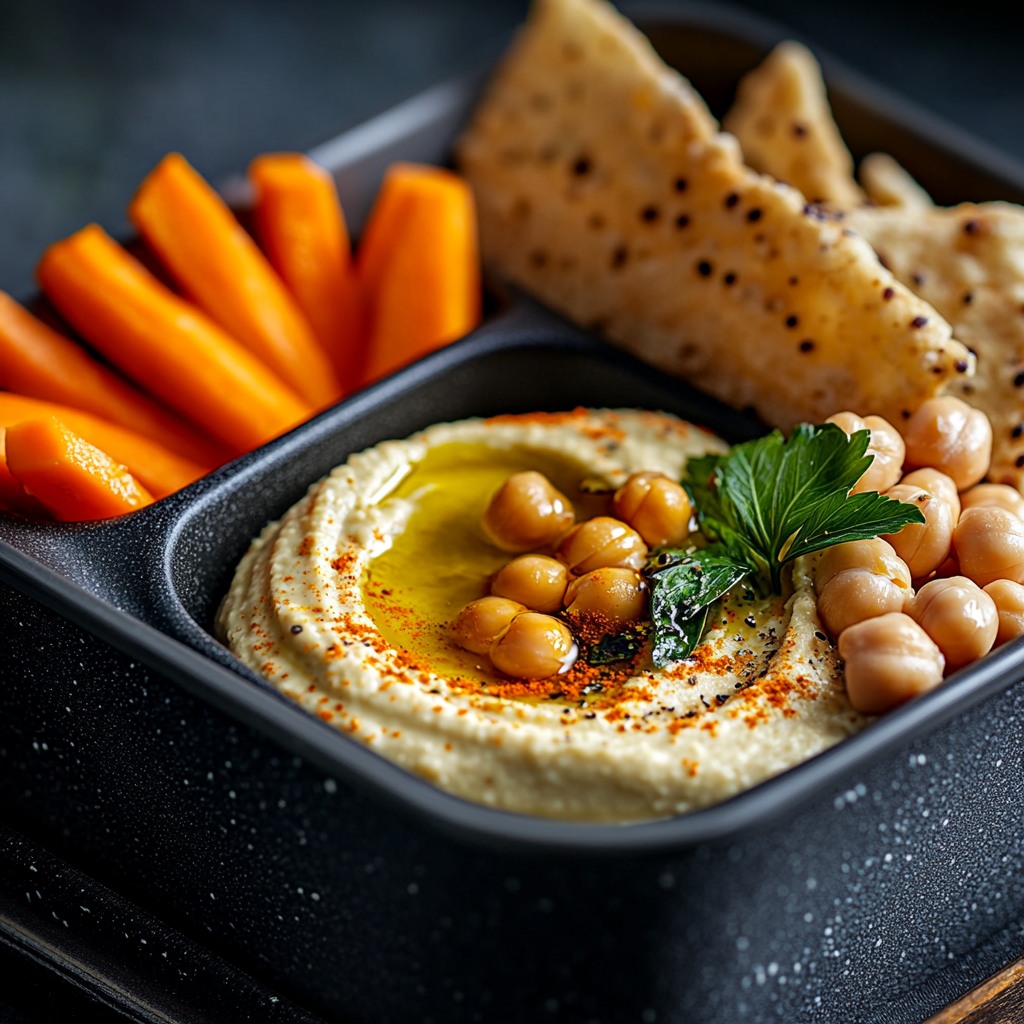
🧑🍳In the kitchen, chickpeas are incredibly versatile and can be used in various forms, from creamy hummus to crispy roasted snacks. To enhance their natural flavors, consider roasting them with spices like cumin or paprika, which complement their nuttiness beautifully. When making hummus, blending cooked chickpeas with tahini, lemon juice, and garlic creates a satisfying dip that highlights their buttery texture. Mastering these techniques will make chickpeas a staple in your culinary repertoire.
This post contains affiliate links.
About this article
Foodbe.ai exists to inform consumers about the food they buy and eat. Every claim is cited. Sources: NIH, USDA, FDA, Smithsonian, and JSTOR. Found an error? Email us at admin@foodbe.ai to report any source or fact issues.