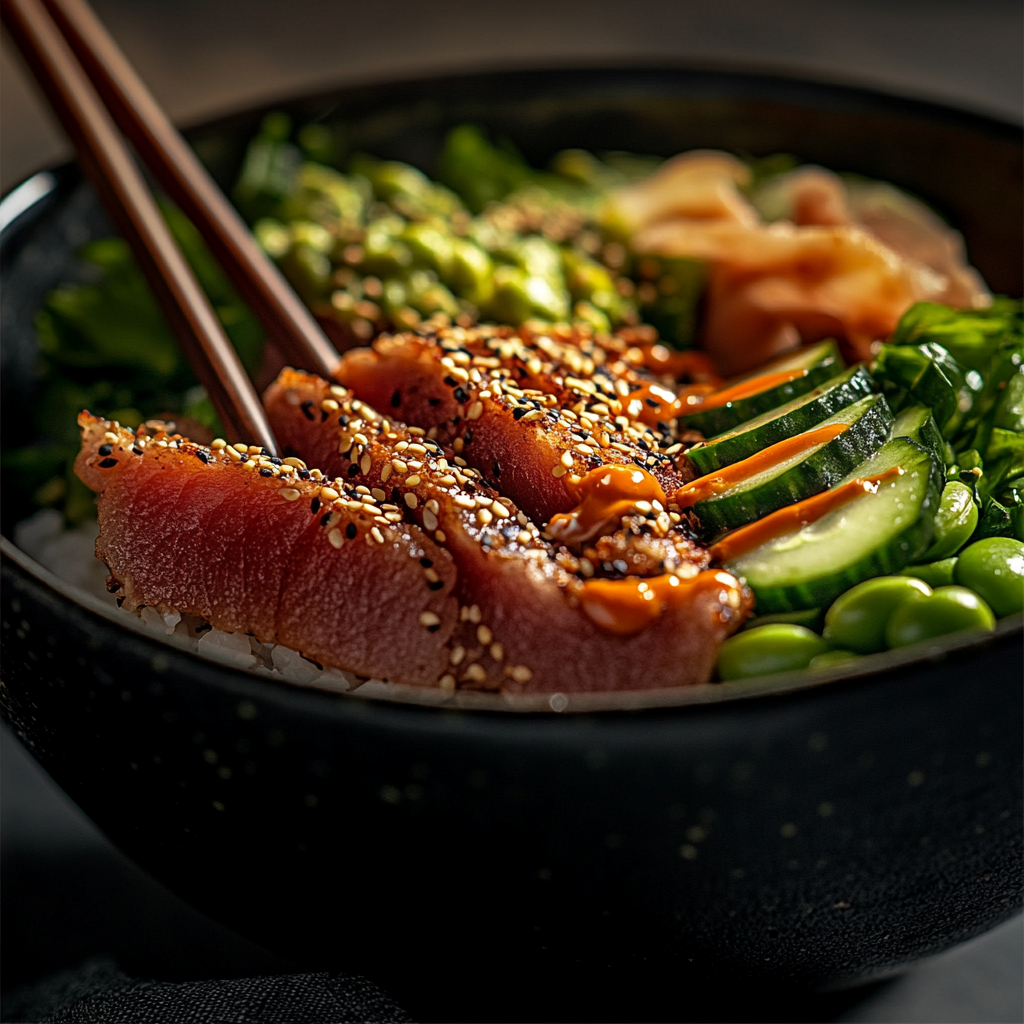
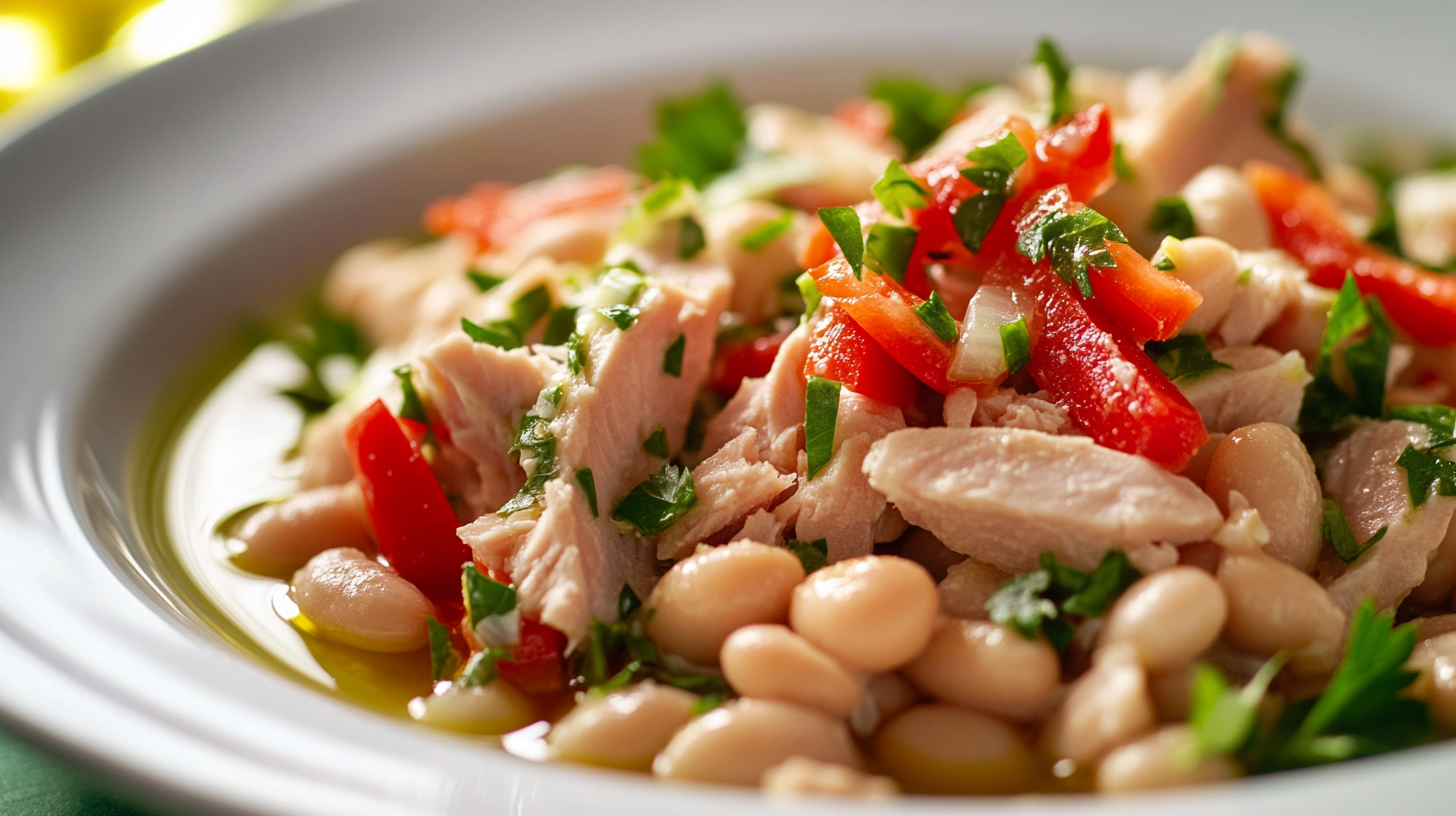
🧬Canned salmon is a nutrient-dense seafood option that packs a punch with 24 grams of protein per 100 grams. This fish is rich in omega-3 fatty acids, which research suggests may support brain health and cardiovascular function. The savory, umami flavor profile makes it a versatile ingredient that can enhance mood and promote a sense of satisfaction, while its briny taste adds depth to various dishes.
🧑🍳When it comes to cooking, high-heat roasting at 400–425°F is the most effective method for baking salmon. Placing the fish skin-side down on a lightly oiled sheet pan allows the skin to insulate the flesh, ensuring even cooking. Keep an eye on the fish as it cooks; it should flake easily when done.
This post contains affiliate links.
About this article
Foodbe.ai exists to inform consumers about the food they buy and eat. Every claim is cited. Sources: NIH, USDA, FDA, Smithsonian, and JSTOR. Found an error? Email us at admin@foodbe.ai to report any source or fact issues.