June 4, 2026
Can you rebuild your gut microbiome?
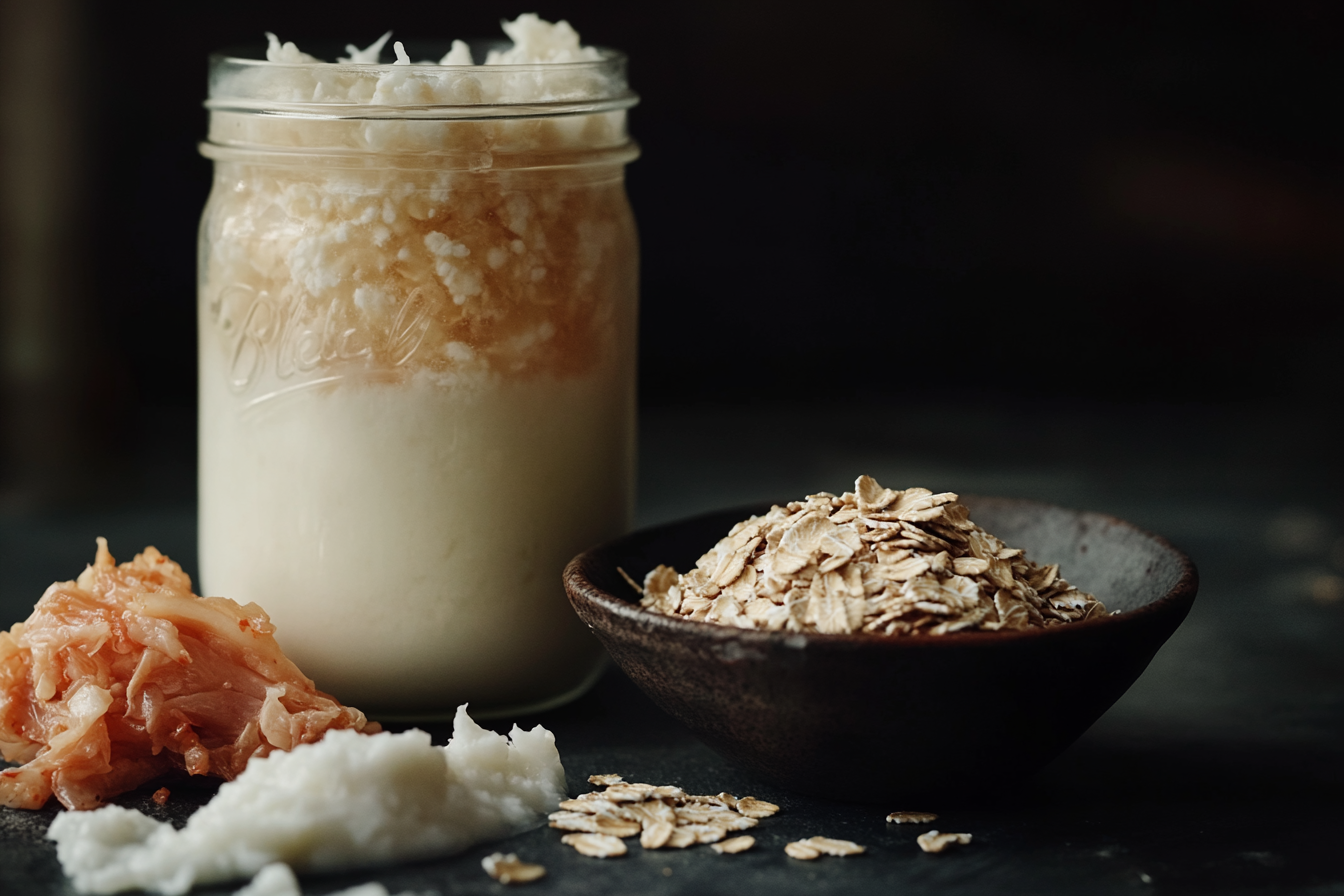
The bloating started three days after the antibiotics ended. That timing can fit with what research has shown about how gut bacteria shift during and after antibiotic courses.
The gut bacteria do respond to dietary changes faster than most people expect. Studies have shown measurable microbiome changes within days to weeks of significantly increasing fiber intake. What most people don't realize is that the gut tends to fall back toward its usual baseline over time — diet can shift the mix, but probably can't completely rebuild it from scratch.
The gut microbiome has a relatively stable baseline — you can influence it substantially, but probably not fully reinvent it.
Fecal microbiota transplantation, or FMT, is among the most dramatic gut-bacteria interventions studied. FMT for recurrent C. difficile infection has been demonstrated effective in a randomized trial and remains one of the strongest examples of diet-independent gut bacteria modification.
This post contains affiliate links.
About this article
Foodbe.ai exists to inform consumers about the food they buy and eat. Every claim is cited. Sources: NIH, USDA, FDA, Smithsonian, and JSTOR. Found an error? Email us at admin@foodbe.ai to report any source or fact issues.