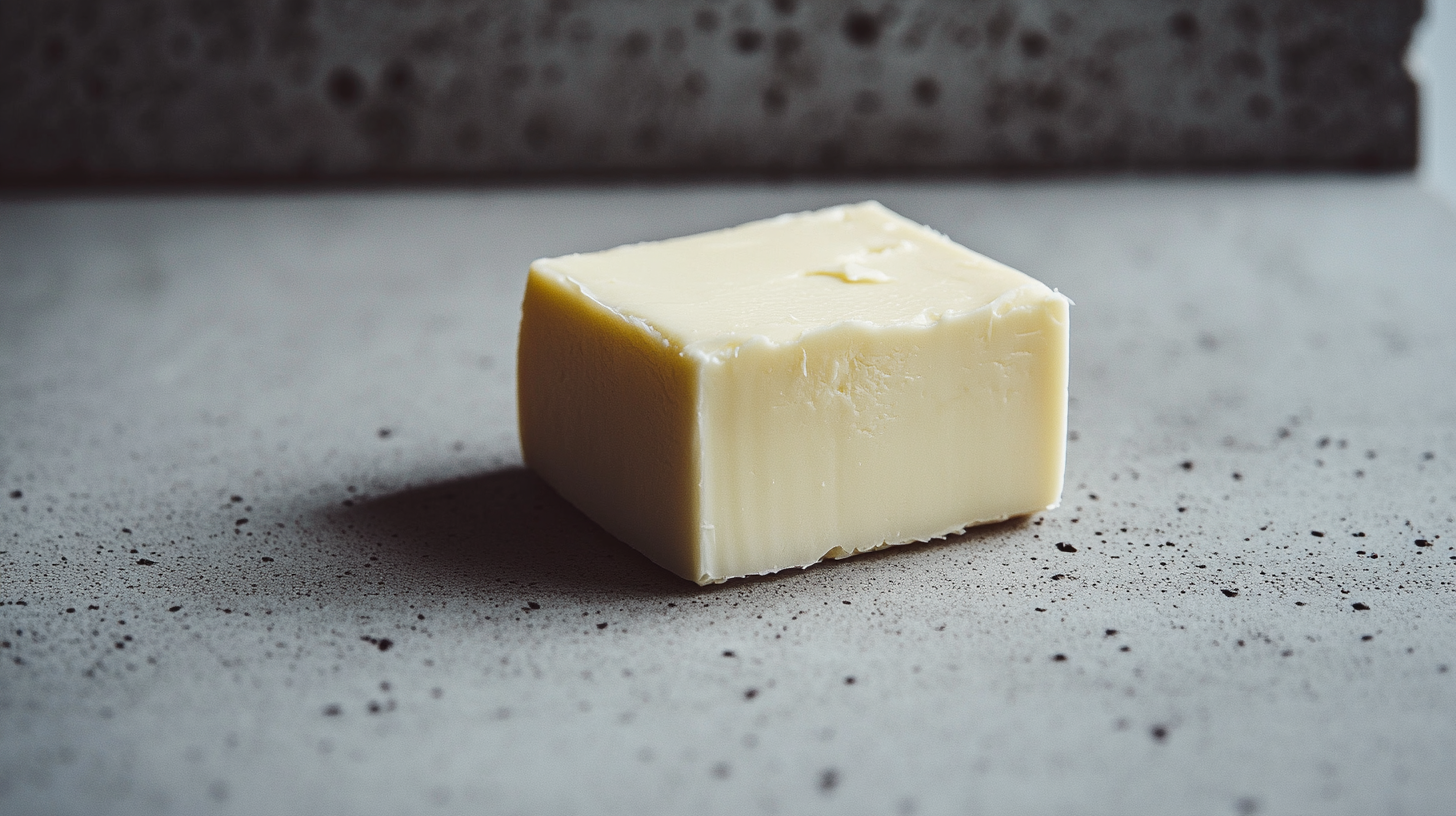
🧬Butter is a rich and creamy dairy product that plays a significant role in our diet, providing energy-dense calories at 717 per 100 grams. Its high fat content is associated with fat-soluble vitamins, which may support mood enhancement and satiety signals in the body. Research suggests that the consumption of fats like butter can trigger reward pathways in the brain, contributing to a comforting and indulgent eating experience.
🧑🍳When cooking with butter, it's essential to use a light-colored stainless steel or enameled pan to monitor the color change of the solids effectively. As the foam subsides, be sure to swirl or stir constantly, as the solids can scorch quickly if left undisturbed. Once the solids turn a deep golden hue and emit a nutty aroma, promptly remove the pan from heat and pour the butter into a room-temperature bowl to halt the cooking process.
This post contains affiliate links.
About this article
Foodbe.ai exists to inform consumers about the food they buy and eat. Every claim is cited. Sources: NIH, USDA, FDA, Smithsonian, and JSTOR. Found an error? Email us at admin@foodbe.ai to report any source or fact issues.