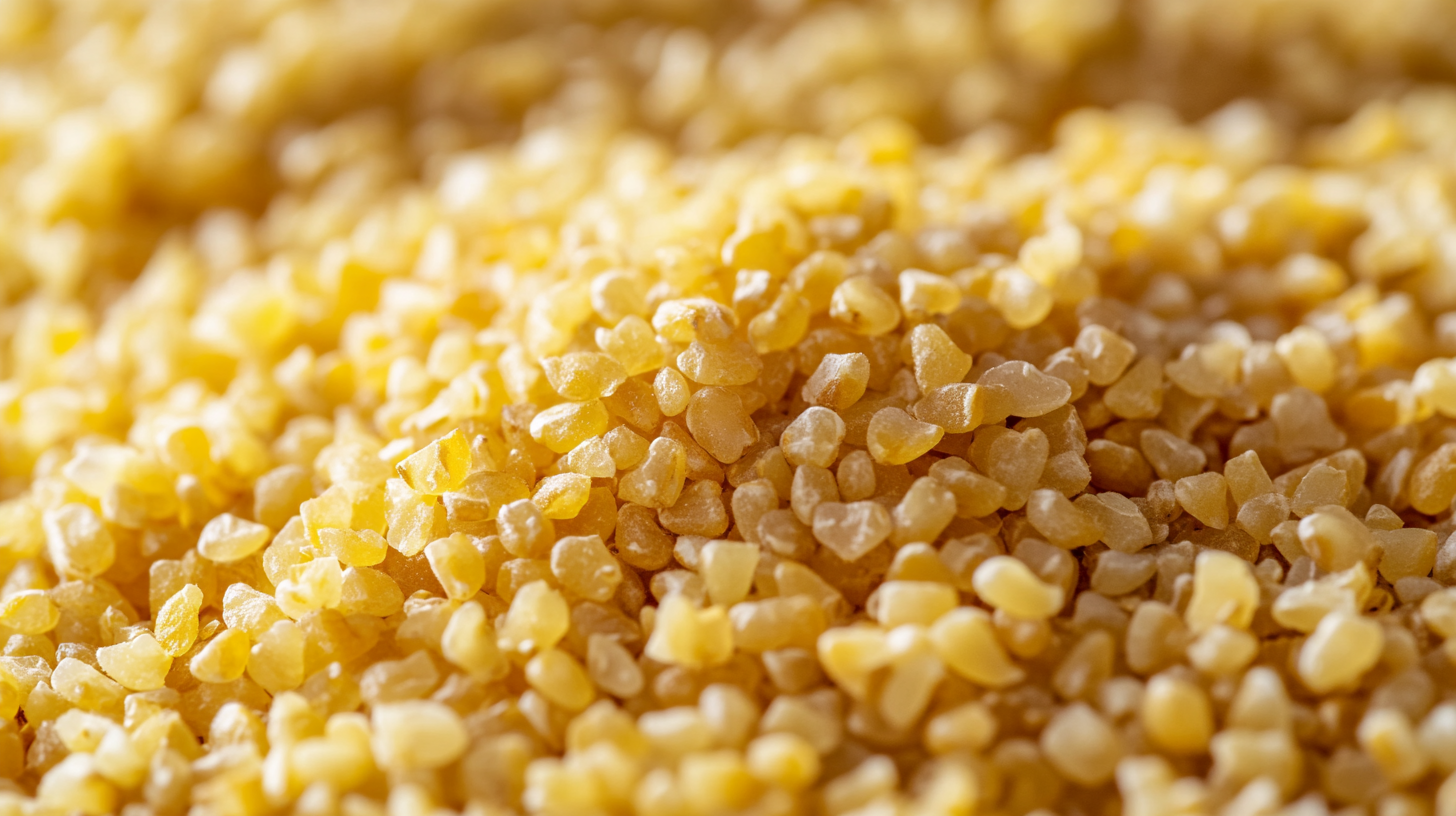
🧬Bulgur wheat, a staple of Middle Eastern cuisine, offers a nutty and earthy flavor profile that is both chewy and mild. With 4.5 grams of fiber per 100 grams, it serves as a prebiotic that supports digestive health and may aid in blood sugar control. This grain provides sustained energy, making it a favorable option for those looking to maintain stable energy levels throughout the day.
🧑🍳In the kitchen, bulgur is incredibly versatile and can be used in dishes like tabbouleh, pilaf, or as a stuffing. To prepare it, simply soak or boil the bulgur until tender, allowing it to absorb flavors from herbs and spices. For optimal texture, consider letting it cool slightly after cooking; this can enhance its chewiness and overall appeal.
This post contains affiliate links.
About this article
Foodbe.ai exists to inform consumers about the food they buy and eat. Every claim is cited. Sources: NIH, USDA, FDA, Smithsonian, and JSTOR. Found an error? Email us at admin@foodbe.ai to report any source or fact issues.