Black Garlic
Other →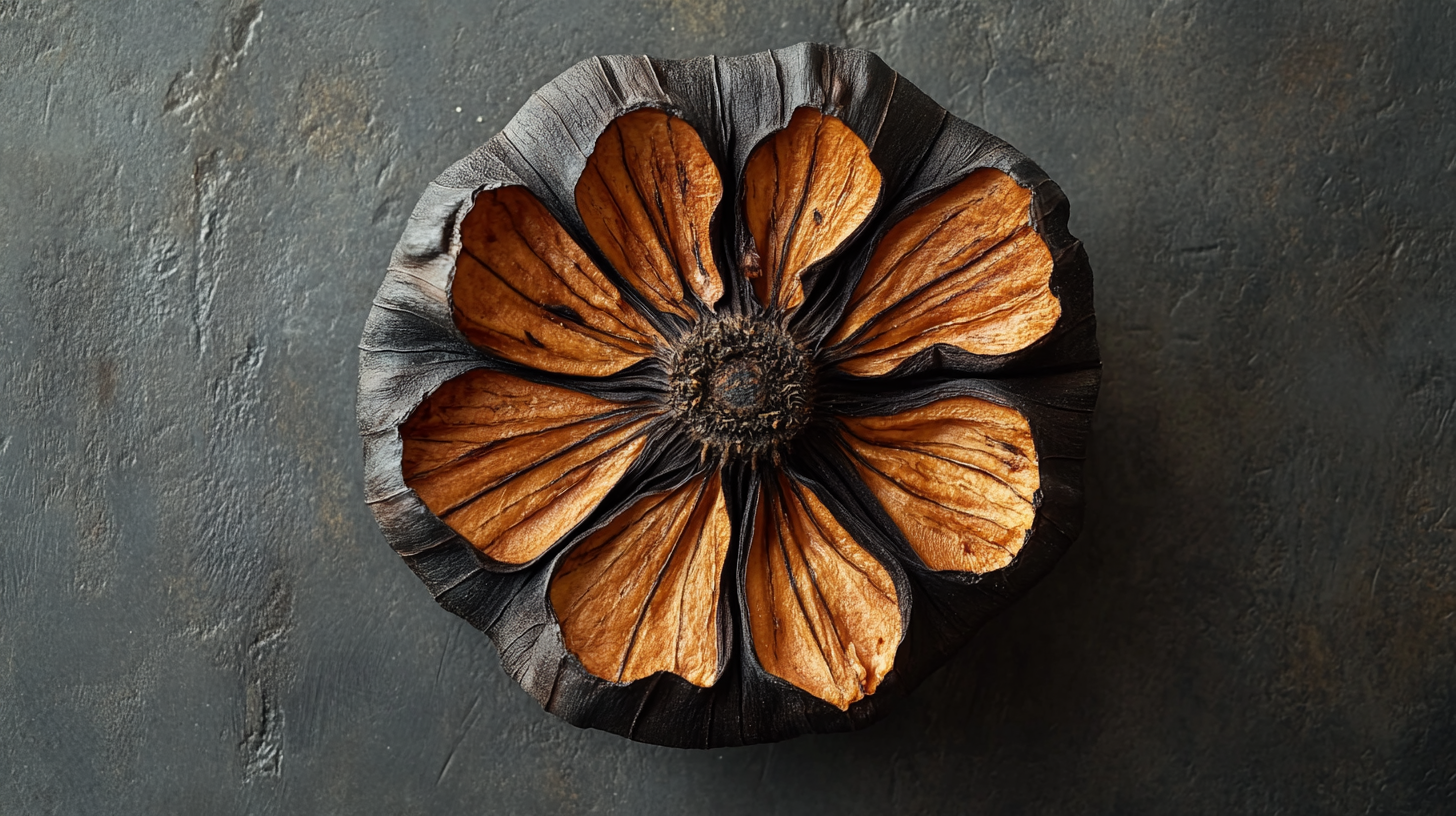
🧬Black garlic, a unique ingredient originating from Asia, is known for its sweet, umami, and tangy flavor profile. This fermented form of garlic contains 285 calories per 100 grams and is rich in antioxidants, making it a potential ally for immune support and heart health. Research suggests that its benefits may extend to the gut-brain axis, offering mood-regulating and cognitive support, which can contribute to overall well-being.
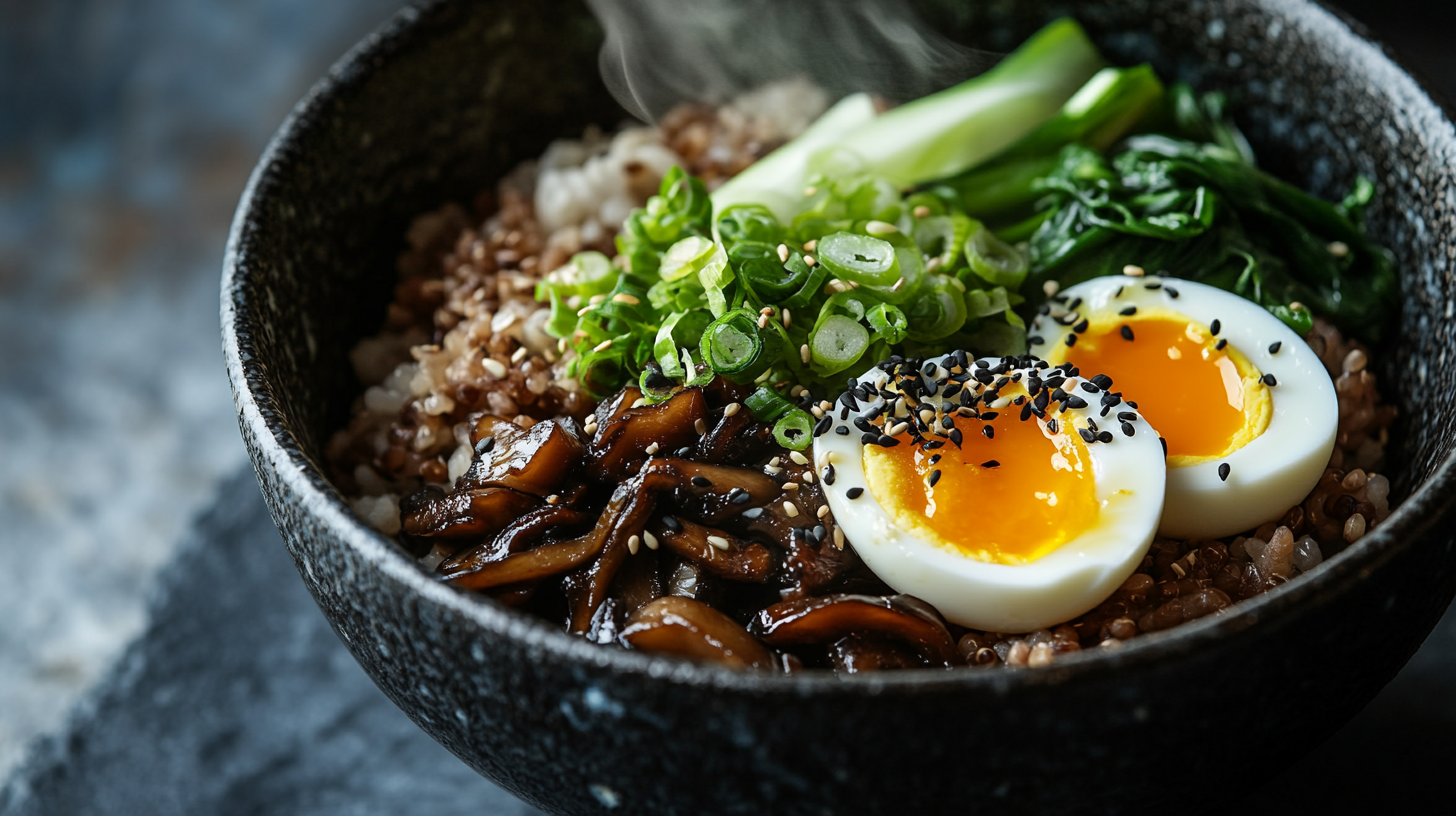
🧑🍳In the kitchen, black garlic can be utilized in various ways to enhance dishes. Roasting whole heads at 200°C for 40 minutes transforms the cloves into a creamy paste, perfect for spreading on bread or blending into sauces. For a subtler flavor, adding sliced garlic to cold oil and slowly heating it allows the natural sugars to caramelize without bitterness. Care must be taken, as burned garlic can ruin a dish; even one charred clove can impart an unpleasant bitterness.
This post contains affiliate links.
About this article
Foodbe.ai exists to inform consumers about the food they buy and eat. Every claim is cited. Sources: NIH, USDA, FDA, Smithsonian, and JSTOR. Found an error? Email us at admin@foodbe.ai to report any source or fact issues.