July 3, 2026
Black-Eyed Peas
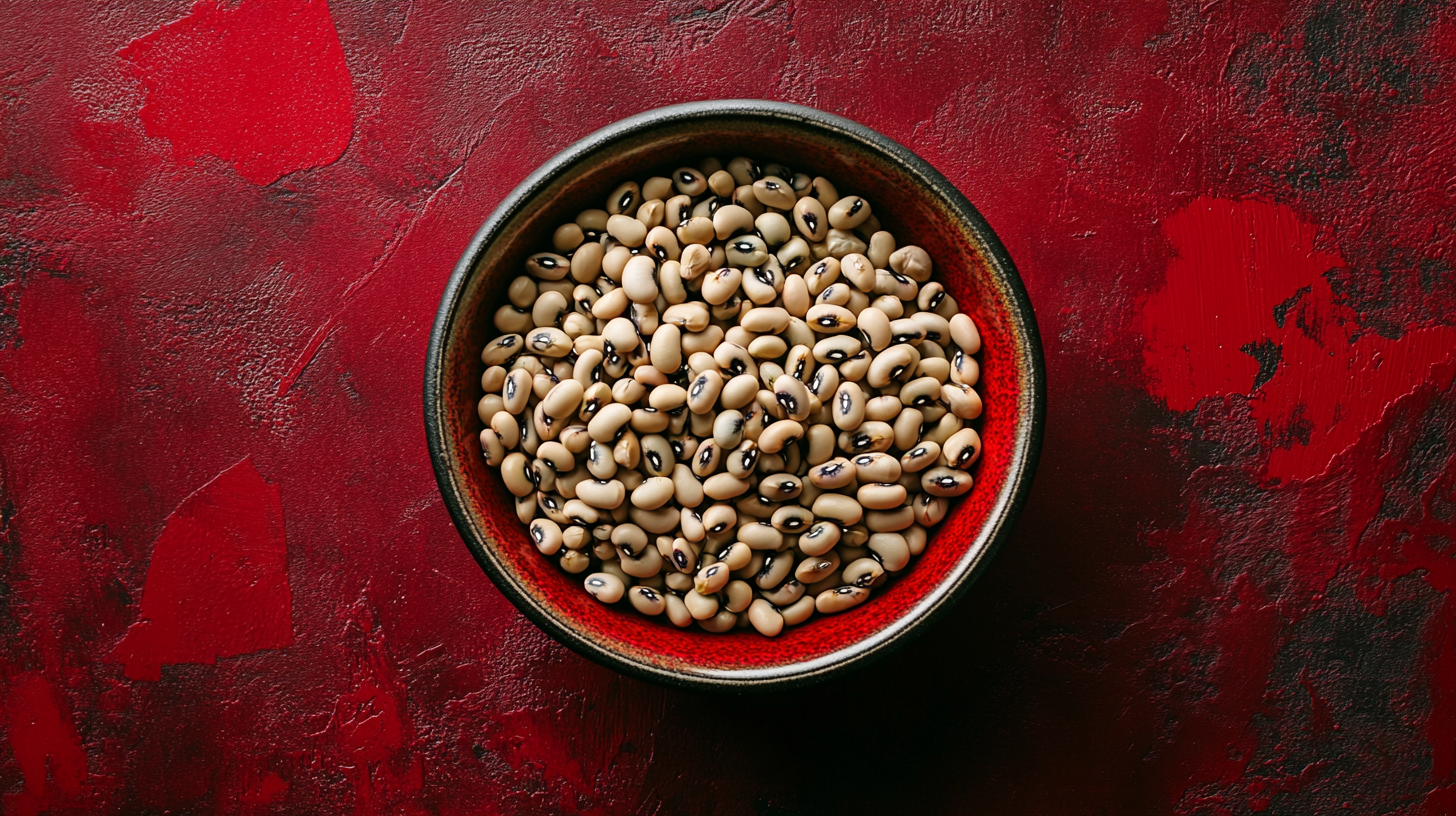
Black-eyed peas are a versatile legume with a mild, nutty flavor that can play a significant role in promoting gut health and blood sugar balance. With 13.2 grams of protein per 100 grams, they serve as a filling and comforting food choice that may support mood regulation. Their high fiber content also acts as a prebiotic, potentially benefiting gut barrier function and overall digestive health.
In the kitchen, 🫘 black-eyed peas shine as a staple ingredient for soups and stews, particularly in Southern cuisine. They can be cooked from dried or canned forms, requiring minimal preparation while absorbing flavors beautifully. A simple technique is to simmer them with aromatic vegetables and spices, allowing their tender texture to complement a variety of dishes.
This post contains affiliate links.
About this article
Foodbe.ai exists to inform consumers about the food they buy and eat. Every claim is cited. Sources: NIH, USDA, FDA, Smithsonian, and JSTOR. Found an error? Email us at admin@foodbe.ai to report any source or fact issues.