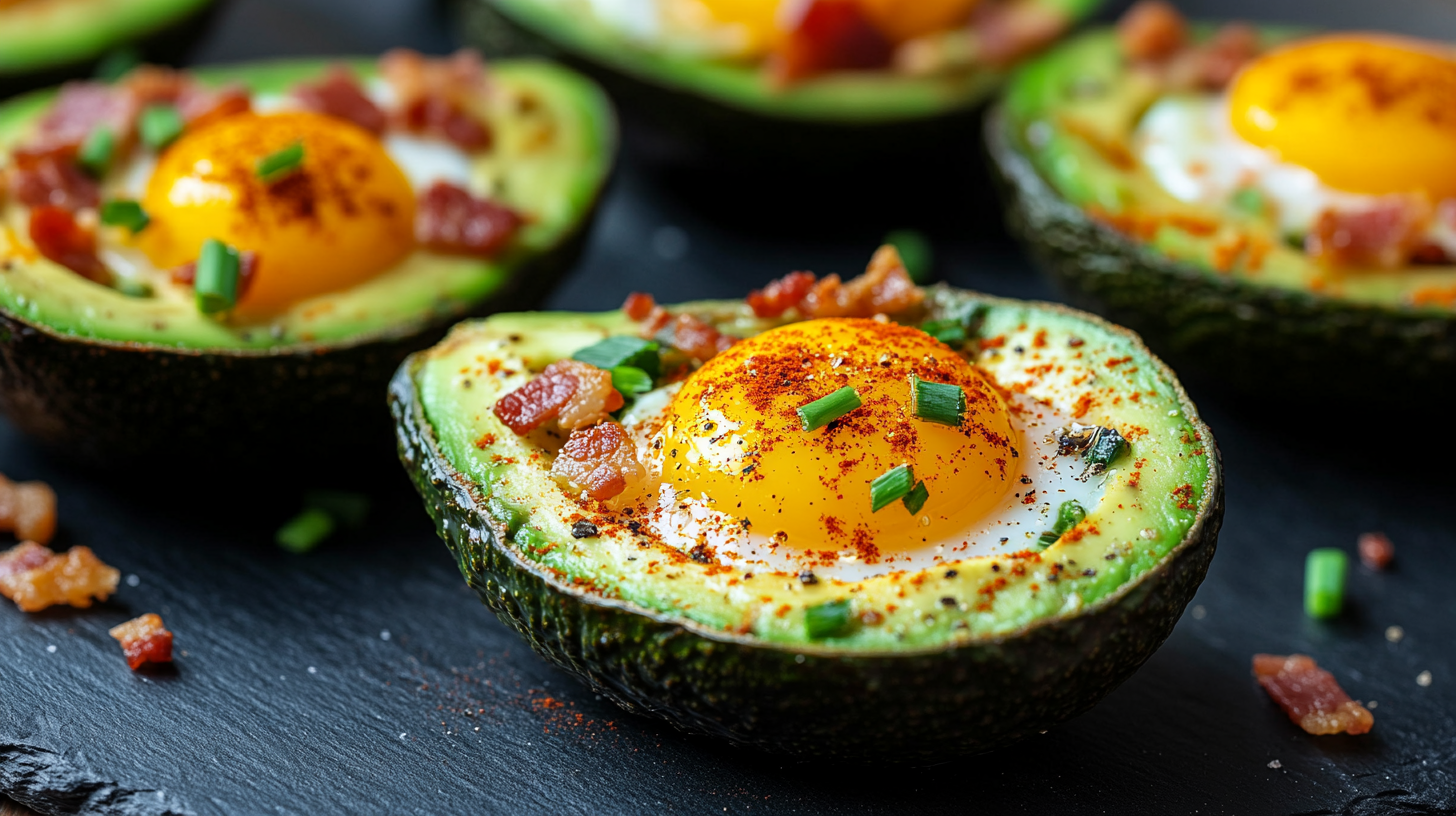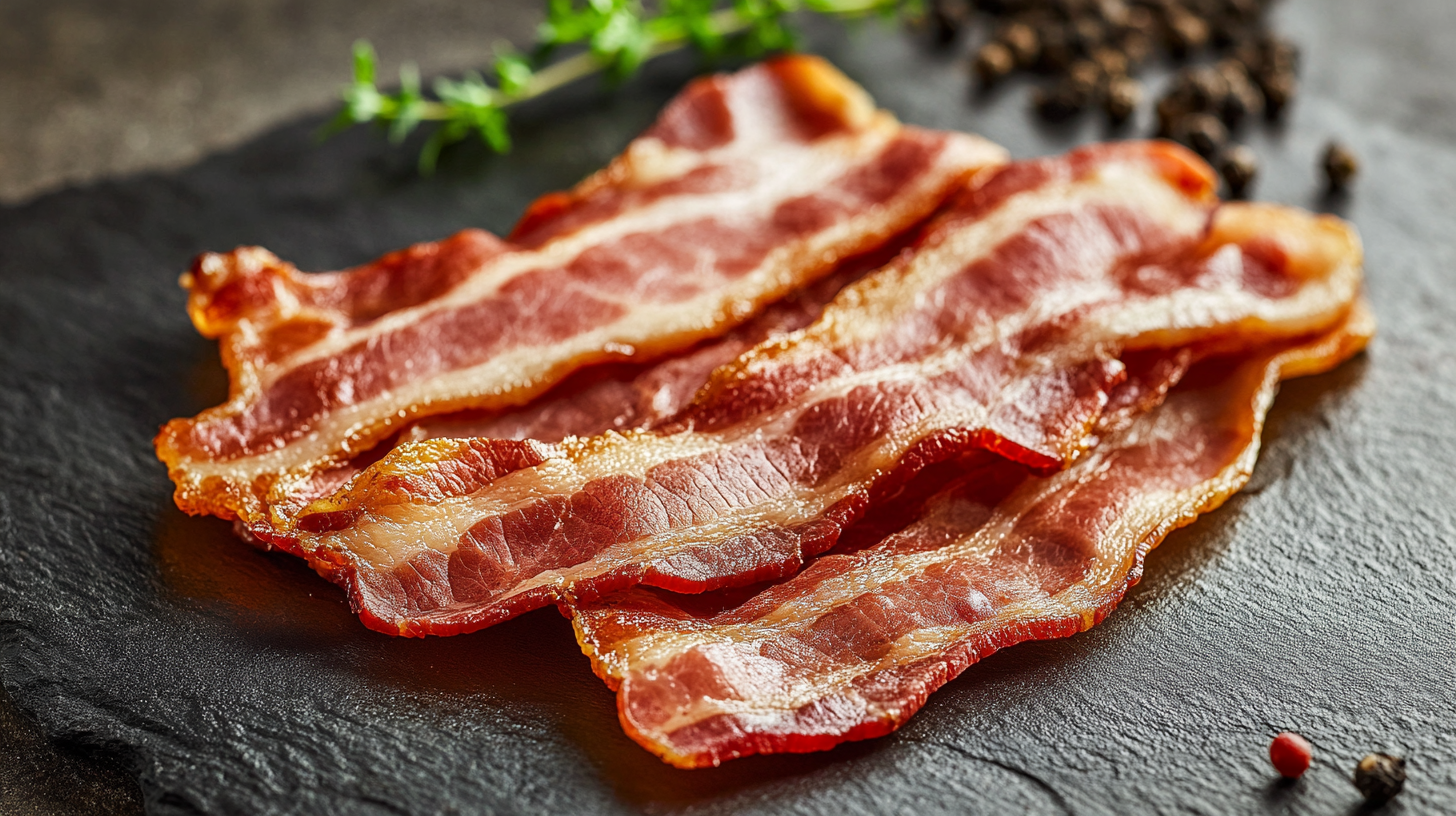
🧬Bacon is a globally beloved ingredient known for its smoky, salty flavor and satisfying crunch. With a protein content of 37 grams per 100 grams, it provides muscle support and a quick energy source, though it's also high in sodium, which may pose concerns for some. The indulgent nature of bacon can stimulate reward pathways in the brain, leading to dopamine spikes and an umami response that many find irresistible, as highlighted in research.
🧑🍳In the kitchen, bacon can be prepped efficiently to enhance your cooking routine. Freeze strips flat in portions separated by parchment paper, allowing you to pull out individual pieces without thawing the entire pack. Cooking a batch weekly and storing the strips in an airtight container lined with paper towels helps maintain their crispiness while absorbing excess moisture. This technique ensures you always have delicious bacon on hand.
This post contains affiliate links.
About this article
Foodbe.ai exists to inform consumers about the food they buy and eat. Every claim is cited. Sources: NIH, USDA, FDA, Smithsonian, and JSTOR. Found an error? Email us at admin@foodbe.ai to report any source or fact issues.